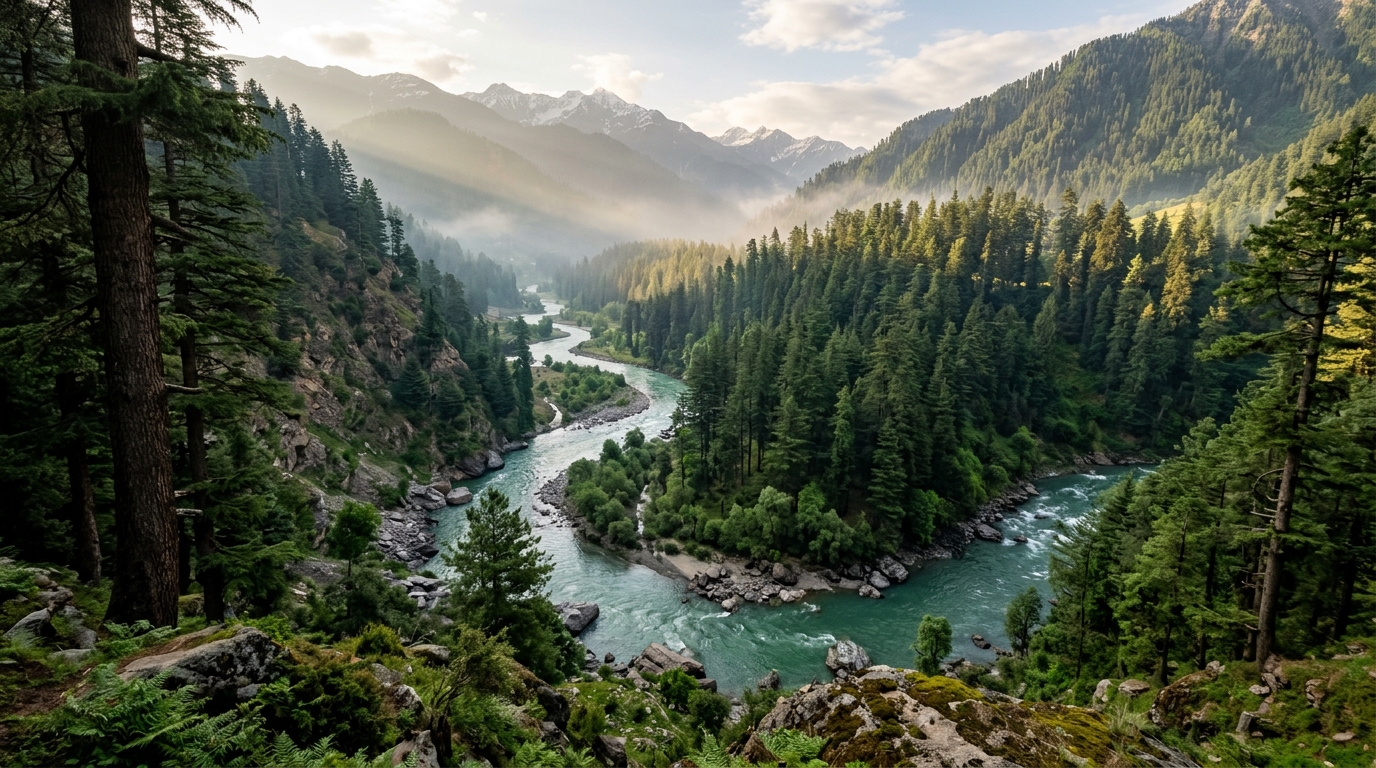
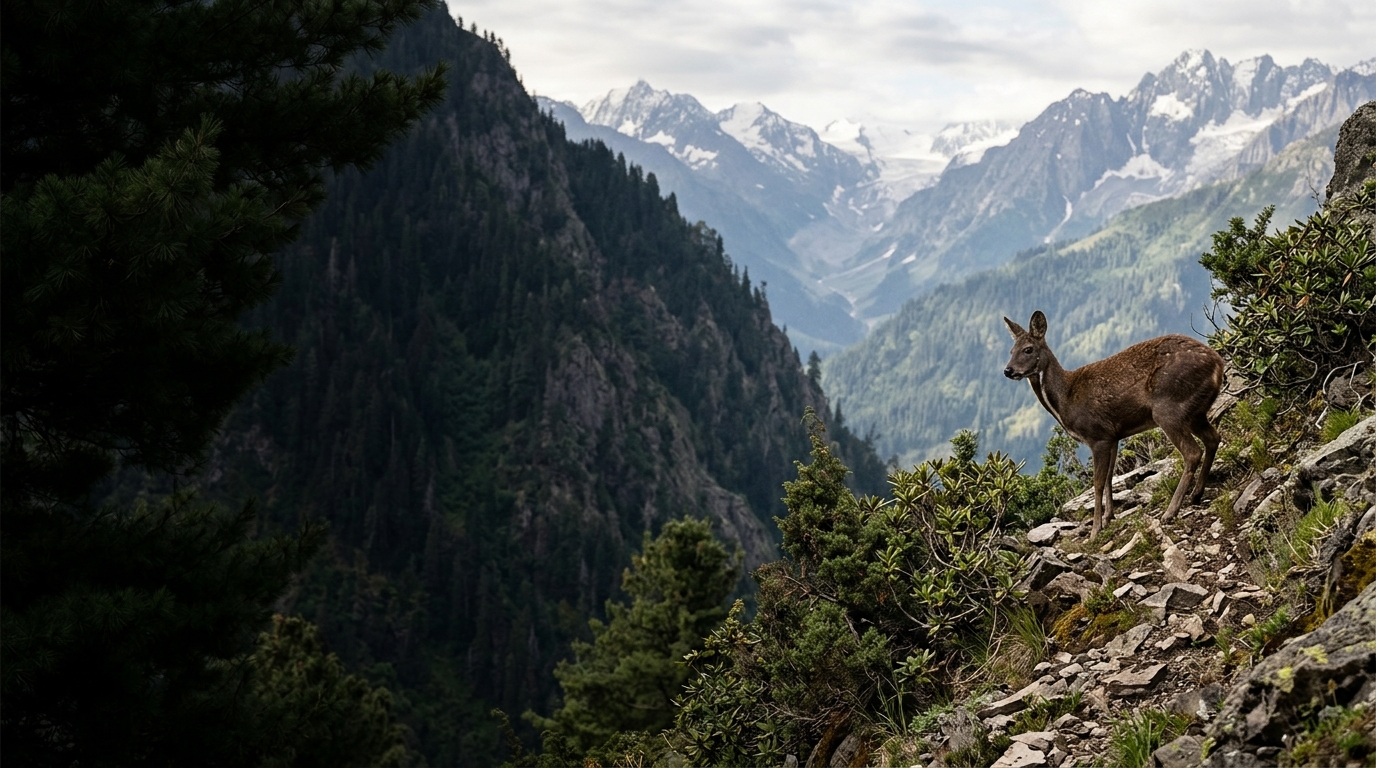
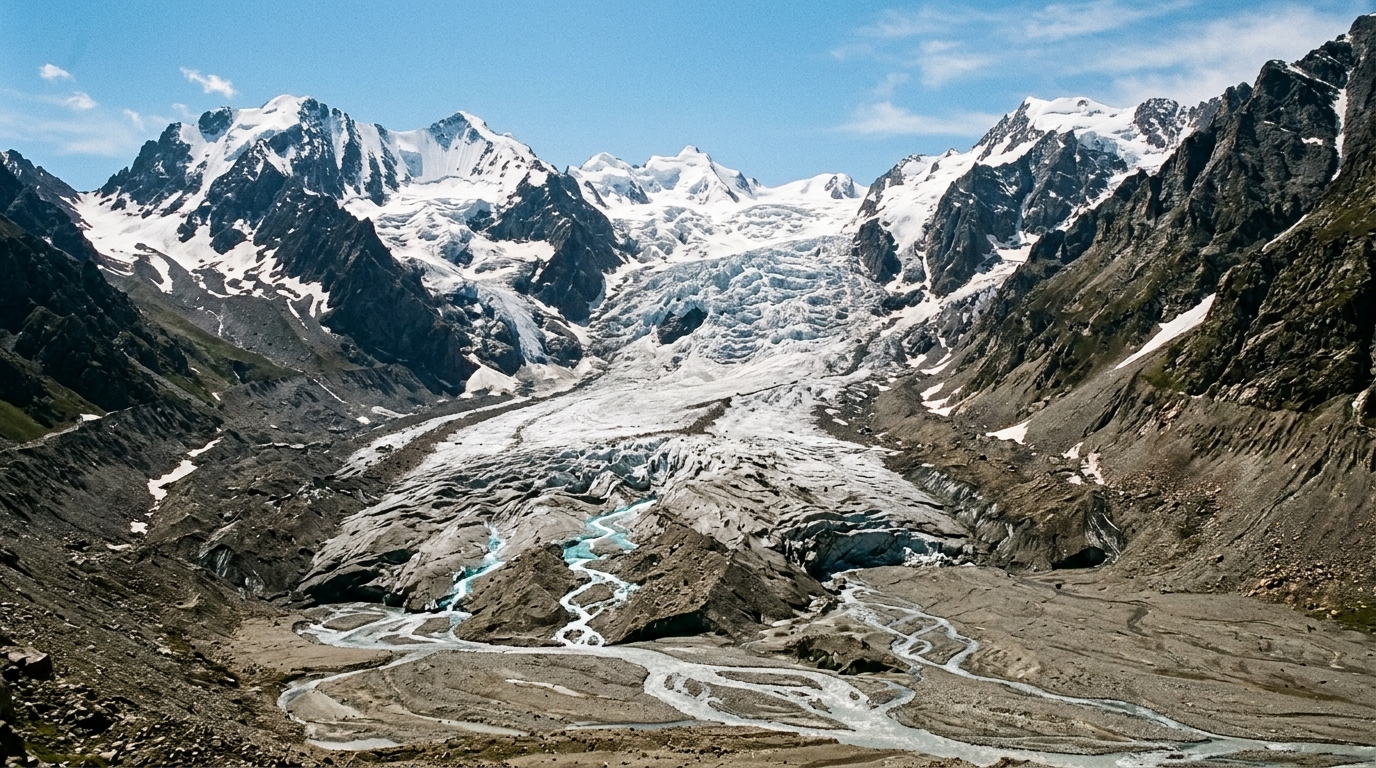
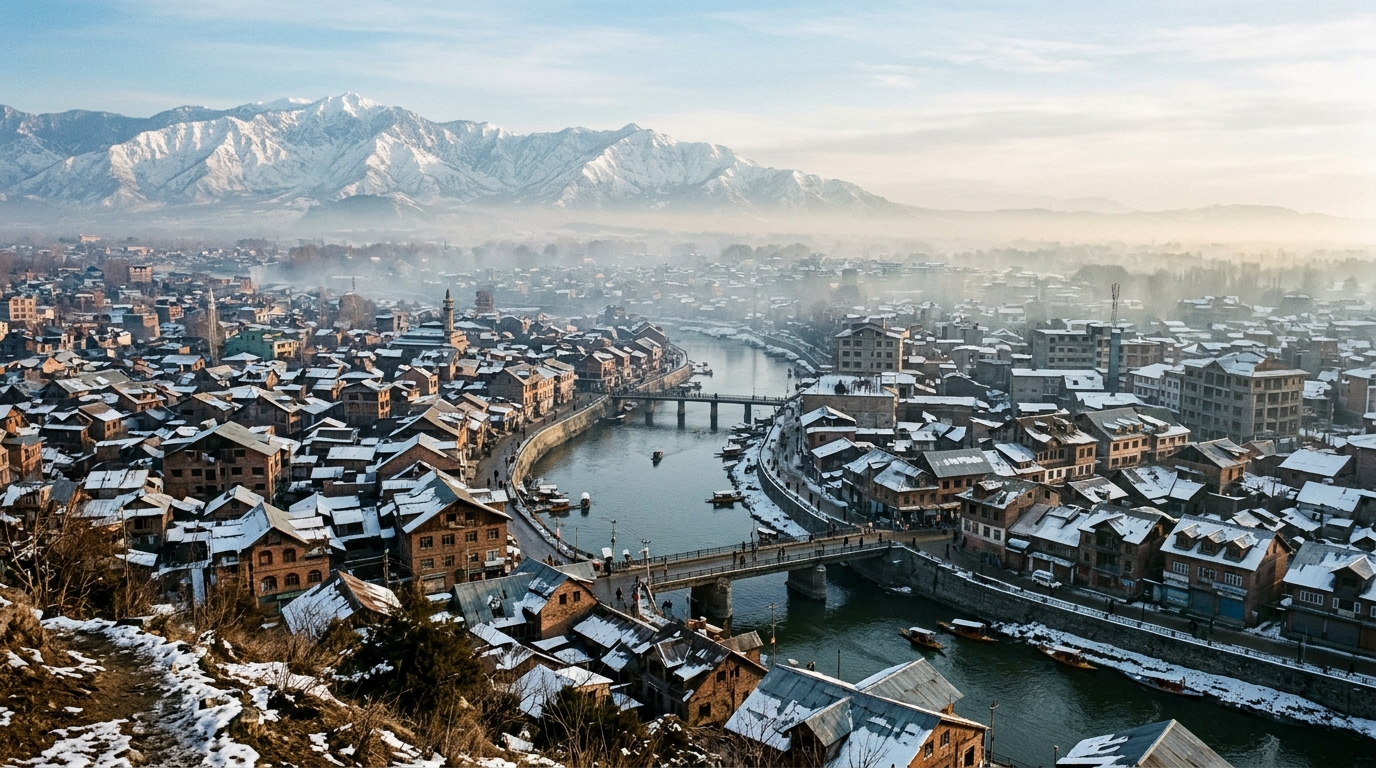
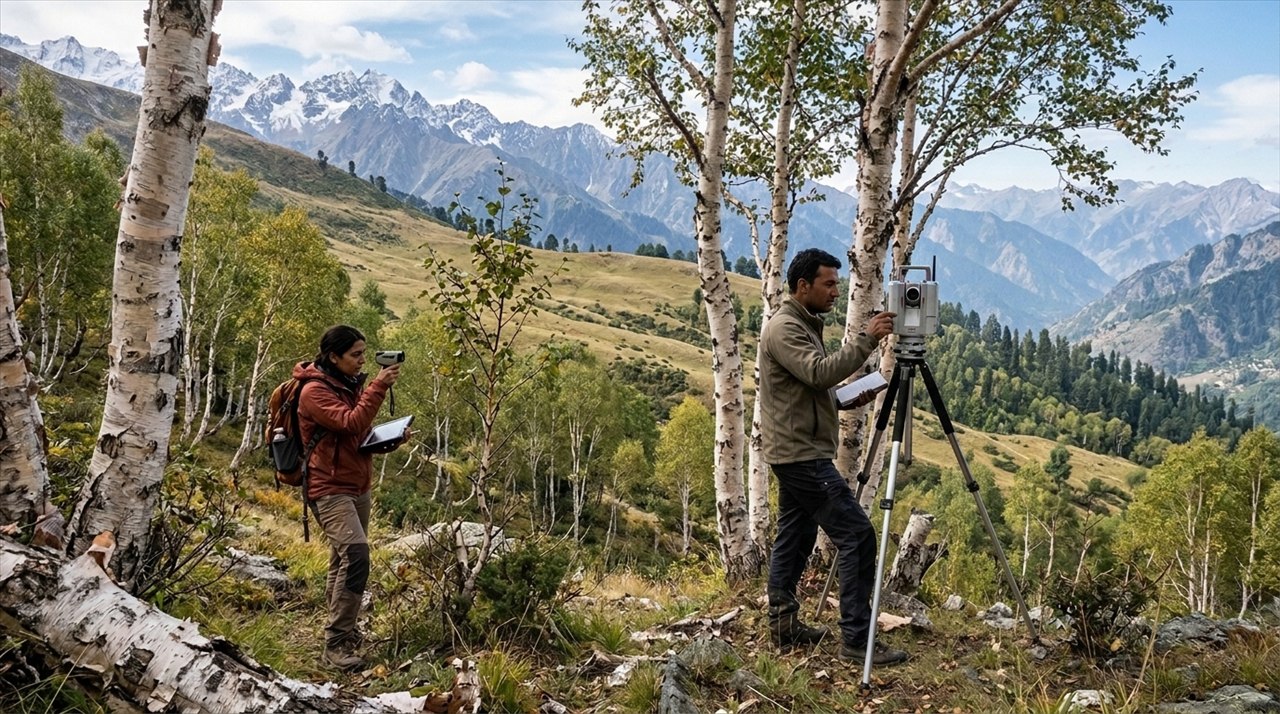
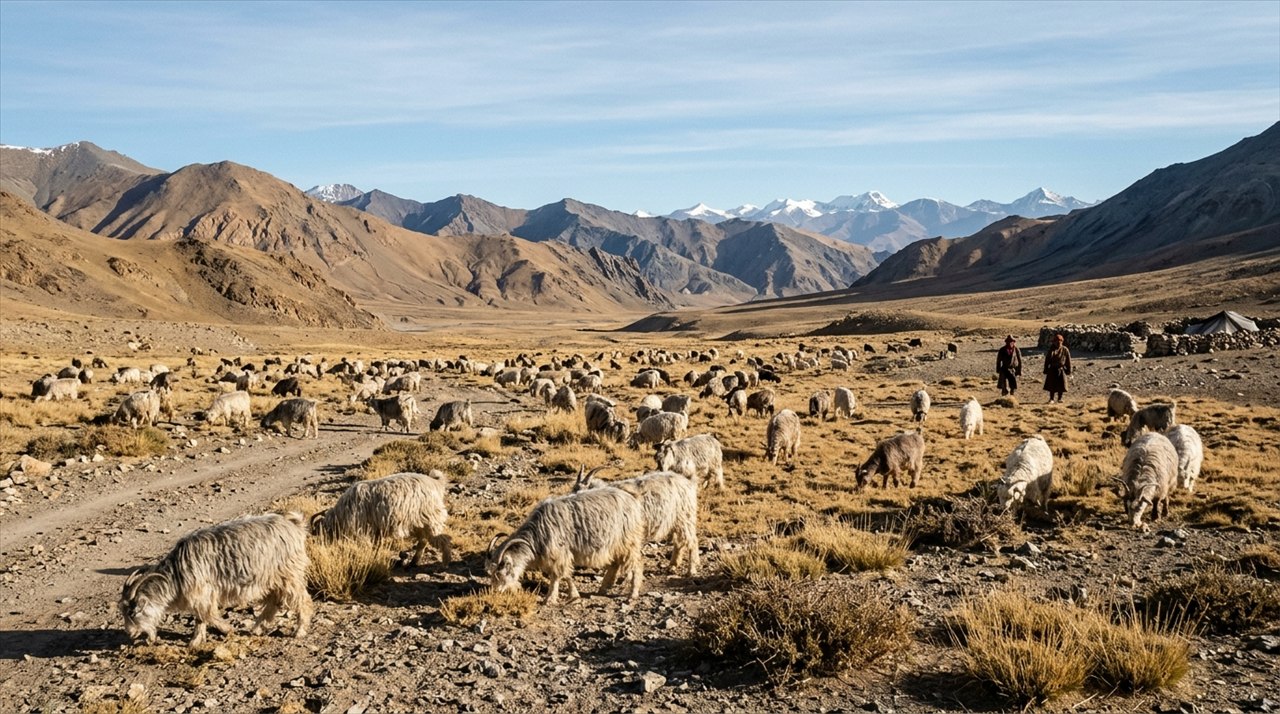
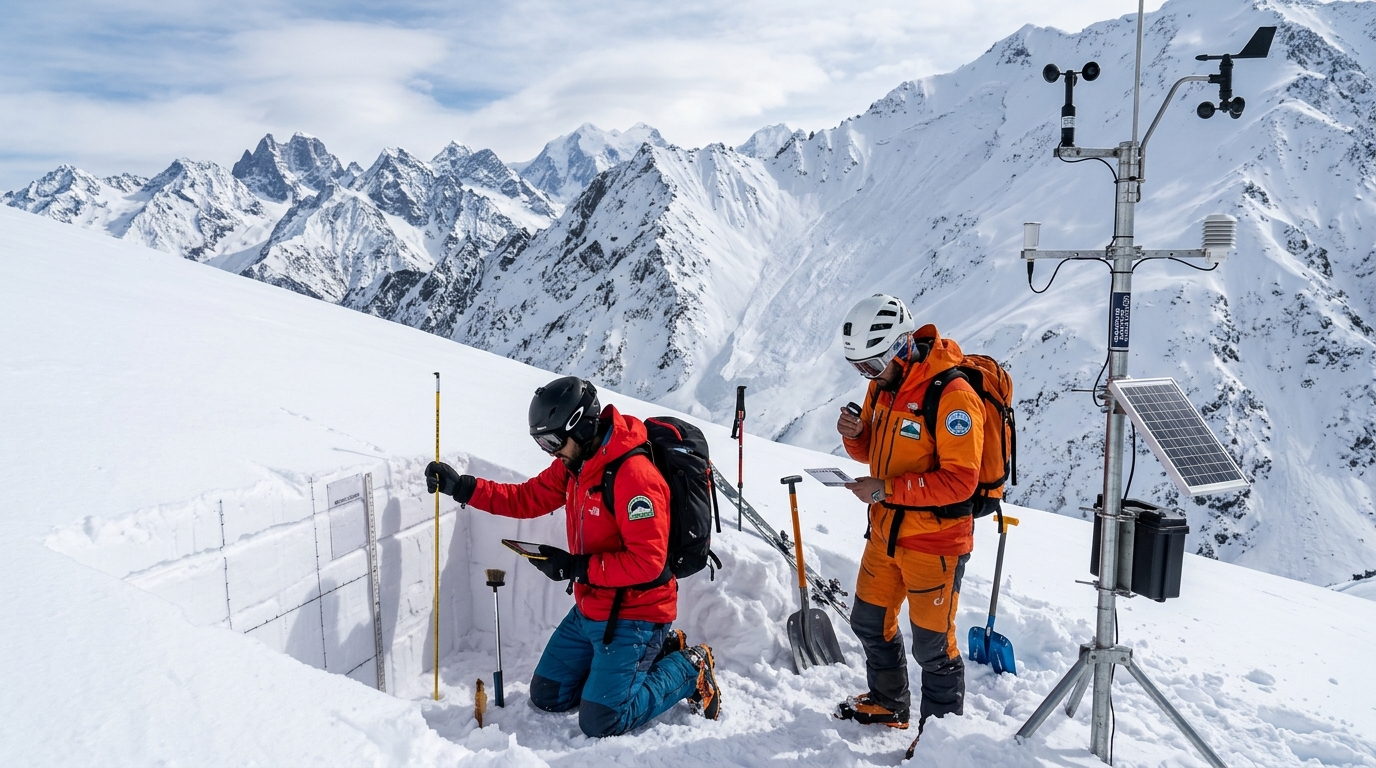
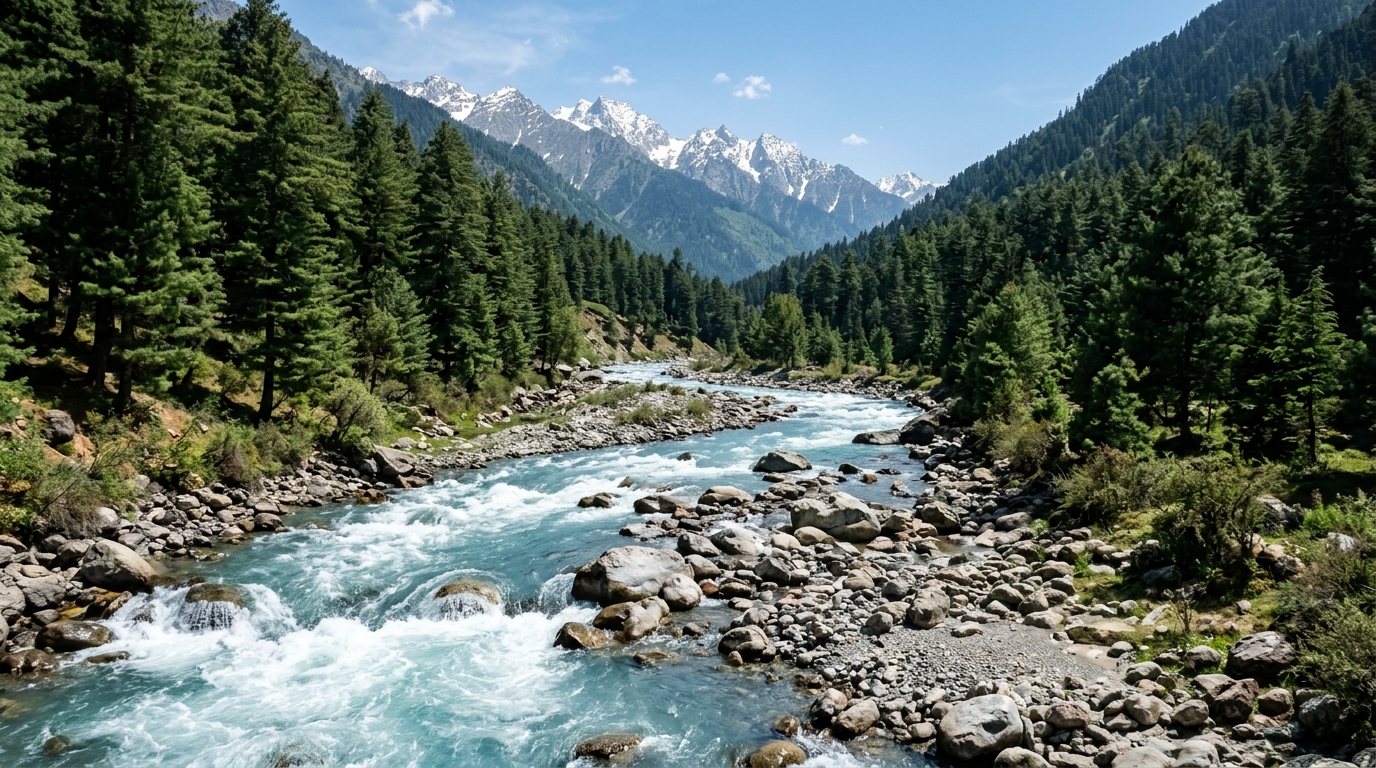
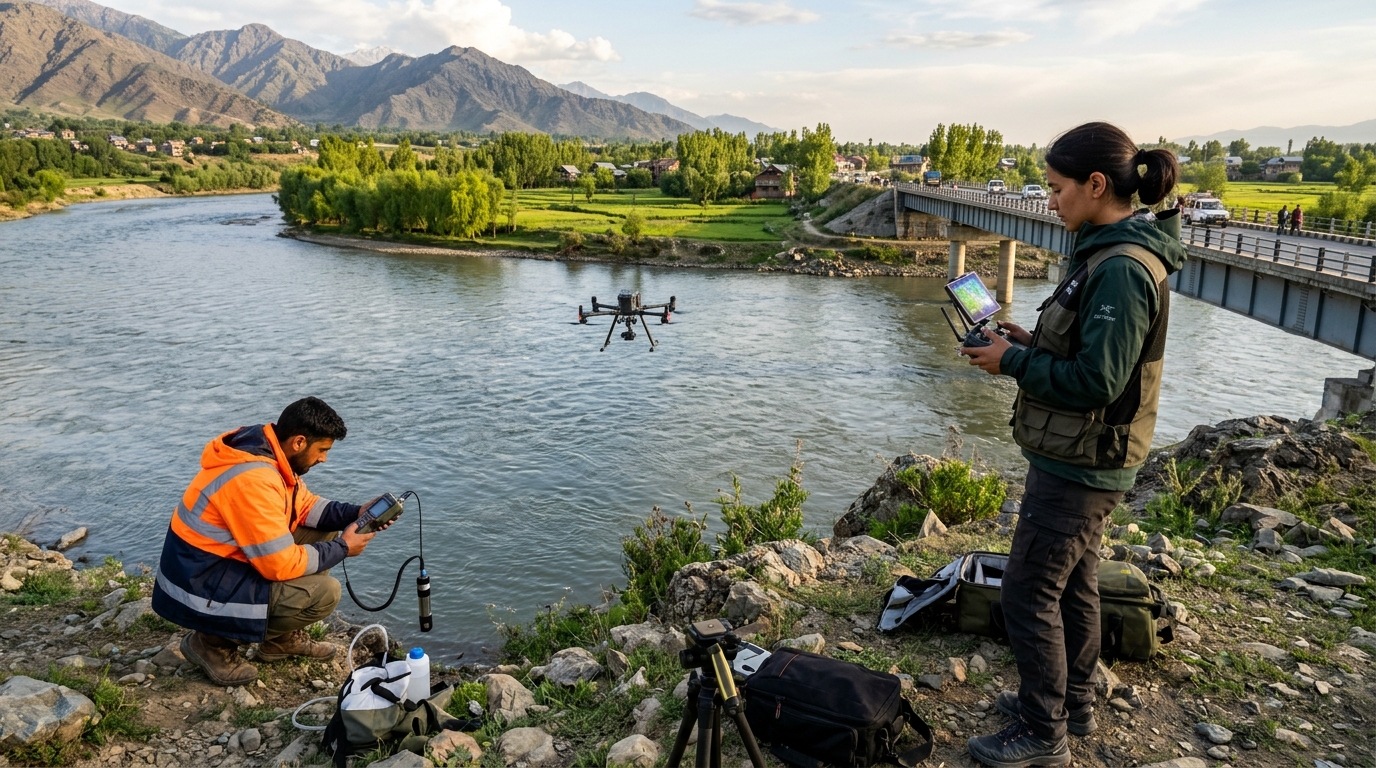
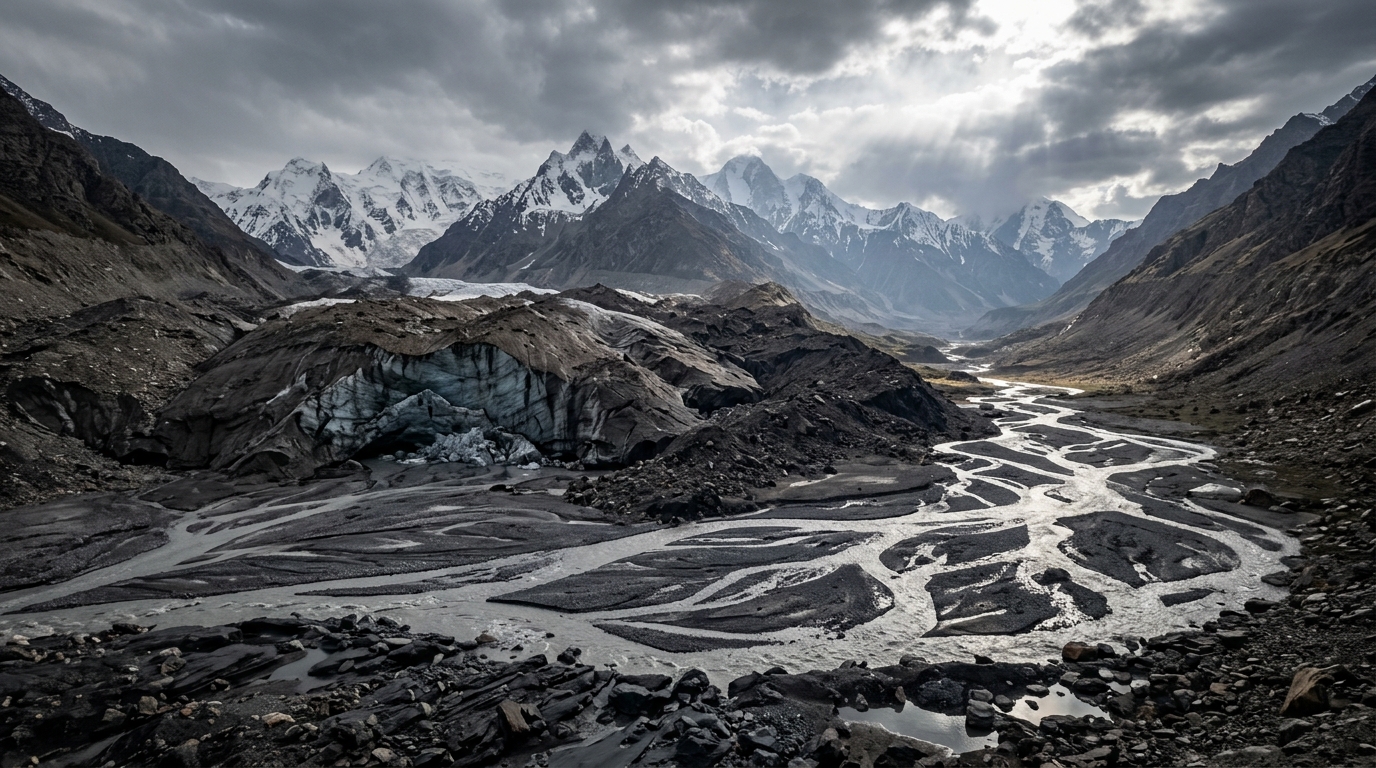
Across Kashmir EcoWatch, sensors, satellite passes, geospatial models and hydrological ledgers measure the Western Himalayas with necessary precision. Yet numbers alone rarely explain the human cost of keeping a mountain watershed standing, or what happens to a home in Verinag or Doda when a forest guard never returns from duty.
Himalayan Dispatch was founded to build a different kind of room: unhurried, intellectually independent, literary, visually uncompromising and anchored in verifiable truth. A room where scientific evidence meets human experience, where historical decisions encounter contemporary consequences, and where environmental responsibility extends beyond institutional declarations.
Our inaugural cover story, The Price of Protecting Paradise, turns towards the forgotten guardians of Kashmir’s forests, reconciling official memorials with lived occupational realities and asking who protects the protectors.
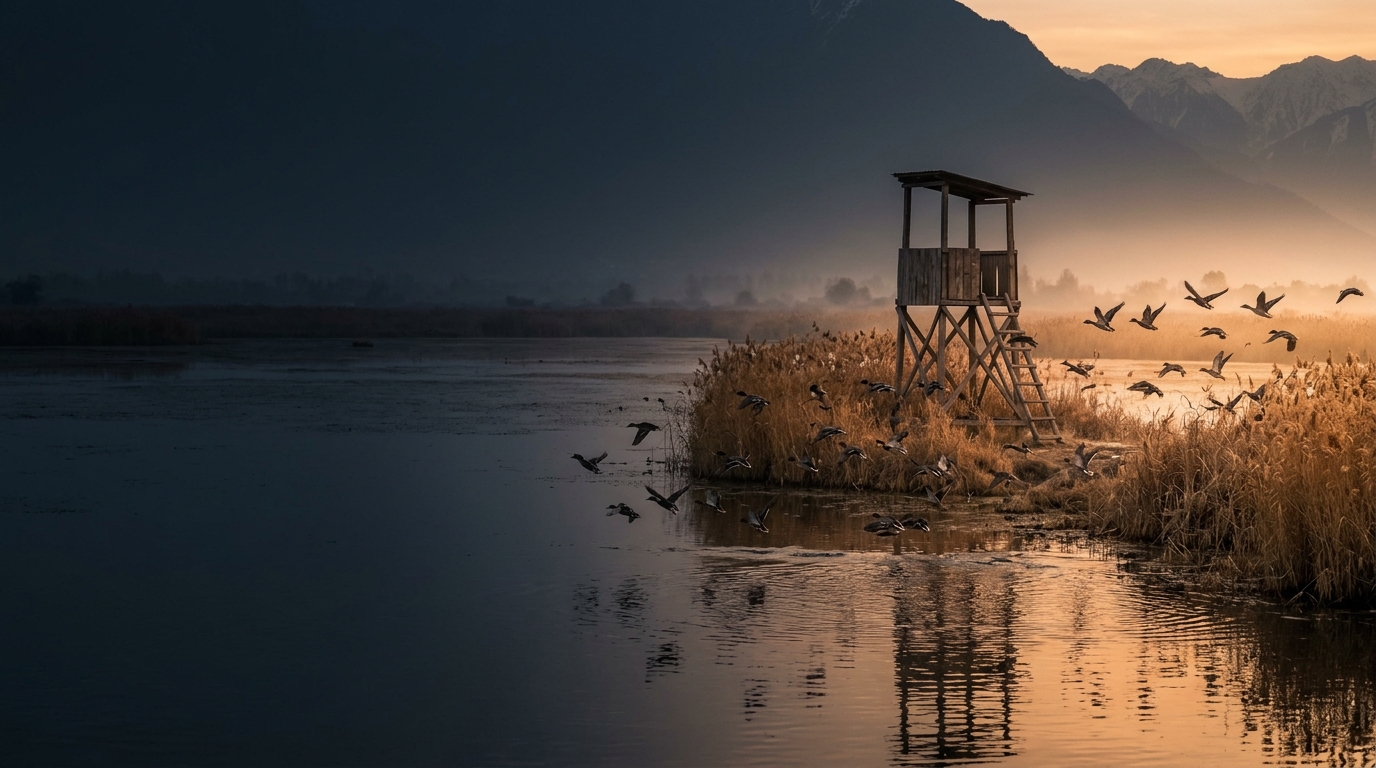
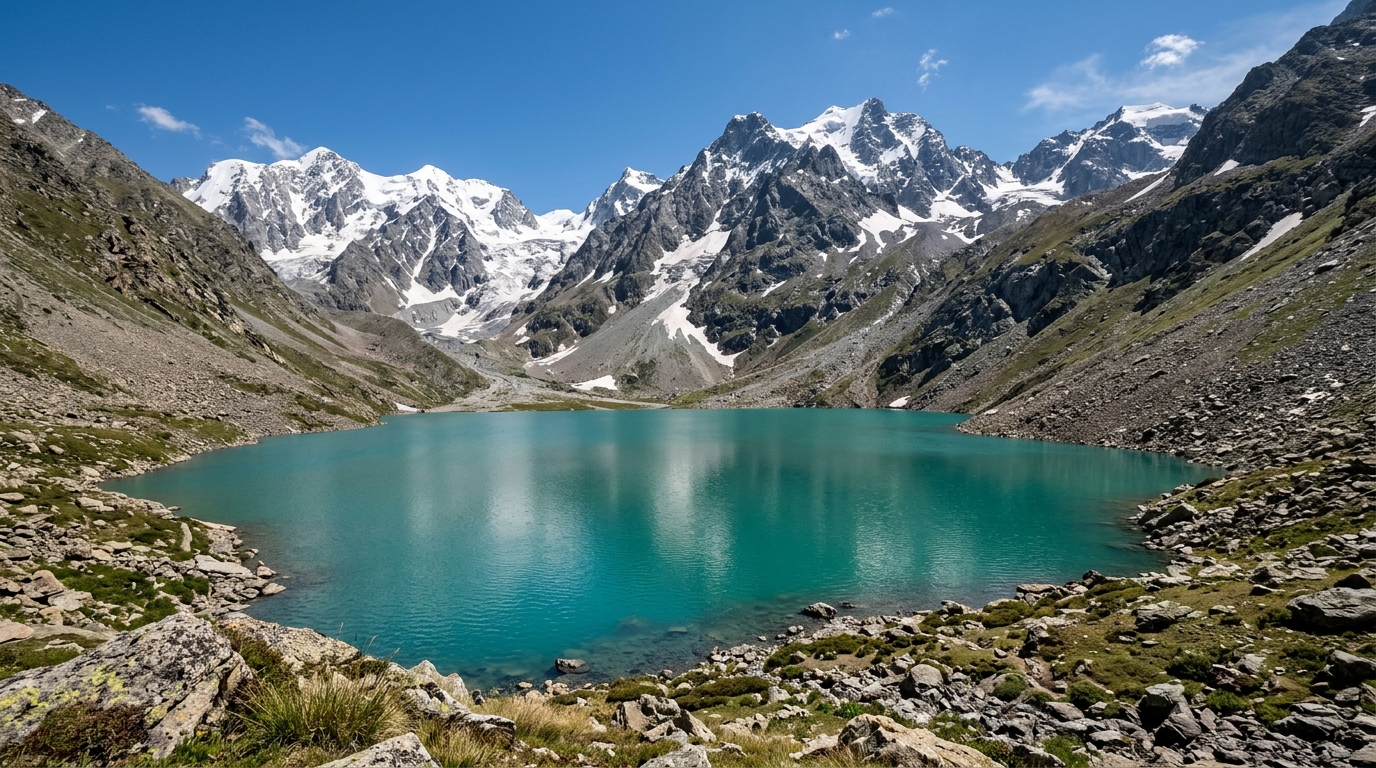
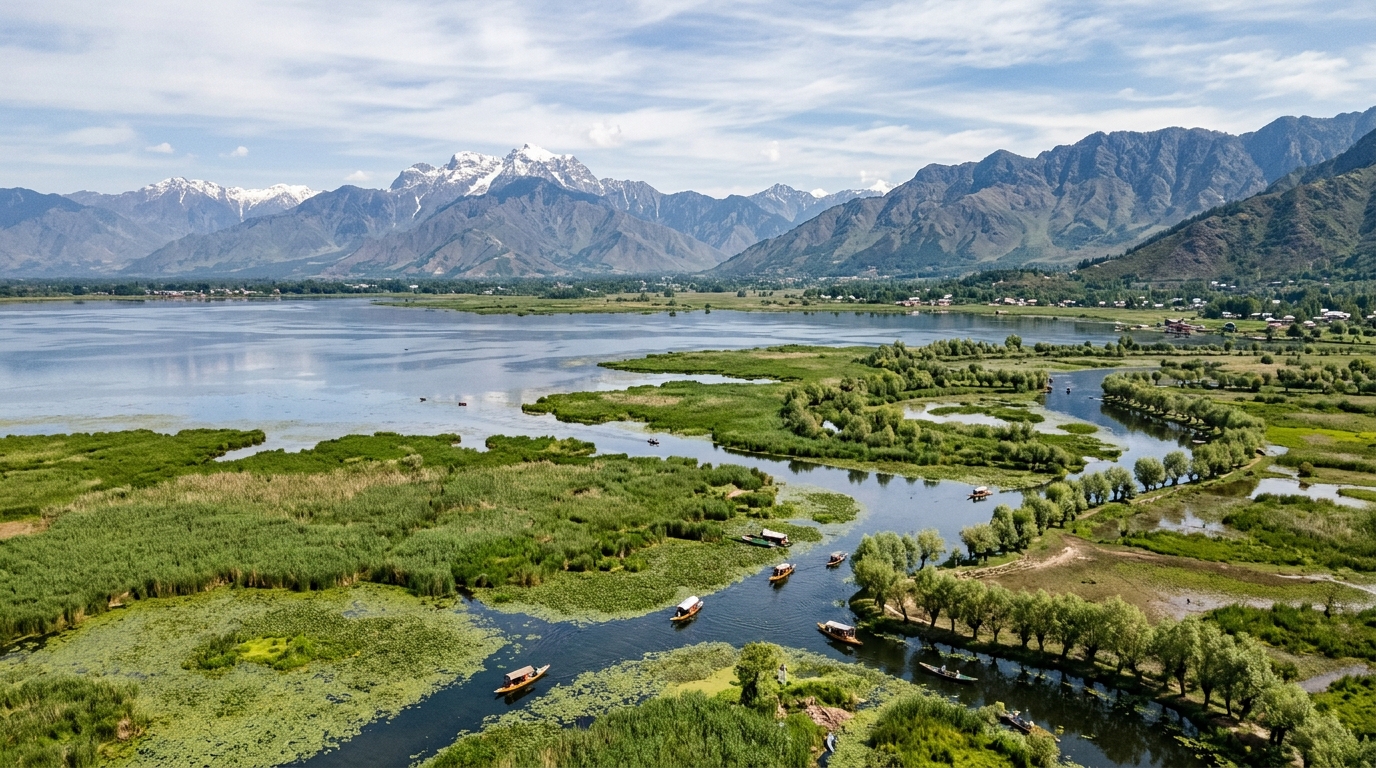
Across this inaugural volume of thirty-six dispatches, our correspondents listen to high cirque lakes beneath Haramukh, trace Srinagar’s buried waterways, stand at dawn along Hokersar’s reedlines, follow migratory birds across political boundaries and examine thirty-eight winters of snowline retreat.
But this edition also enters less comfortable territory.
The Mathematics of a Dying Lake reconstructs the unresolved engineering questions and eight mass balances of Dal Lake conservation. The Laboratory That Kashmir Lost investigates the displacement and deterioration of the scientific infrastructure established to understand the very ecosystem Kashmir continues attempting to restore. The Art of Encroachment examines the historical transformation of water into land, the pressures of property development, the consequences of political instability and documented allegations of administrative collusion.
The National Park That Became a Golf Course revisits the transformation of part of Srinagar’s Sálim Ali National Park, asking what protected status means when conservation landscapes become available for competing development priorities.
The Chinars in the Shadow of Concrete examines four centuries of living Mughal Chinar heritage at Naseem Bagh alongside decades of campus expansion, asking how an institution of higher learning that teaches ecology, botany, geography and environmental law reconciles academic advancement with the preservation of the living landscape entrusted to its own grounds.
Journalism at a Crossroads turns that same lens inward upon the profession of journalism itself—examining the political establishment–media house nexus, government advertising dependency, media ownership, press-release reproduction, scientific and geospatial specialization, internal protections for working journalists, and the universal obligation of Himalayan Dispatch to subject itself and Kashmir EcoWatch to the very standards it proposes.
Our investigation into academic responsibility, Who Are We Researching For? The World Knows Our Mountains. Do We?, examines the relationship between scientific production, original knowledge, public understanding and measurable environmental outcomes across Kashmir, Jammu, Ladakh, Azad Jammu & Kashmir and Gilgit-Baltistan.
Alongside it, South Asia’s Environmental Vanguard looks beyond our mountains to the extraordinary environmental advocates, journalists, scientists and conservation leaders of India and Pakistan. Their journeys were not always easy. Neither are those of our own professionals. Their struggles, contributions and achievements invite us towards respectful introspection, renewed intellectual ambition and a deeper understanding of professional responsibility.
Through Beyond the Conference, we examine the distance between scientific recommendations and environmental governance, between engineering ambition and geological reality, between development expenditure and ecological recovery, and between agricultural research and a changing mountain climate.
The Price of Power investigates the geographical distribution of hydropower benefits and environmental burdens. It asks who receives the electricity, who receives the revenue, and who lives with submerged forests, displaced wildlife, altered rivers and geological uncertainty. It also examines the contradiction of electricity-generating mountain regions experiencing persistent power shortages.
The Wealth Beneath the Mountains—prepared by our Research Desk’s Gilgit-Baltistan Coverage ahead of future regional correspondent ownership—examines Gilgit-Baltistan’s mineral resources across the Karakoram, Himalaya and Hindu Kush, asking who owns the mineral wealth, who captures its economic value, and who inherits riverbed destabilization, slope hazards and environmental liabilities after the mountains are excavated.
The Rivers That No Longer Belong to Their Valleys—prepared by our Research Desk’s Muzaffarabad Coverage under Central Editorial Board oversight—turns across all ten districts of Azad Jammu & Kashmir, from Muzaffarabad’s post-diversion river-flow and drinking-water paradox to six decades of Mangla submergence, unfinished compensation, drying springs, forest pressures and mining-concession reversals.
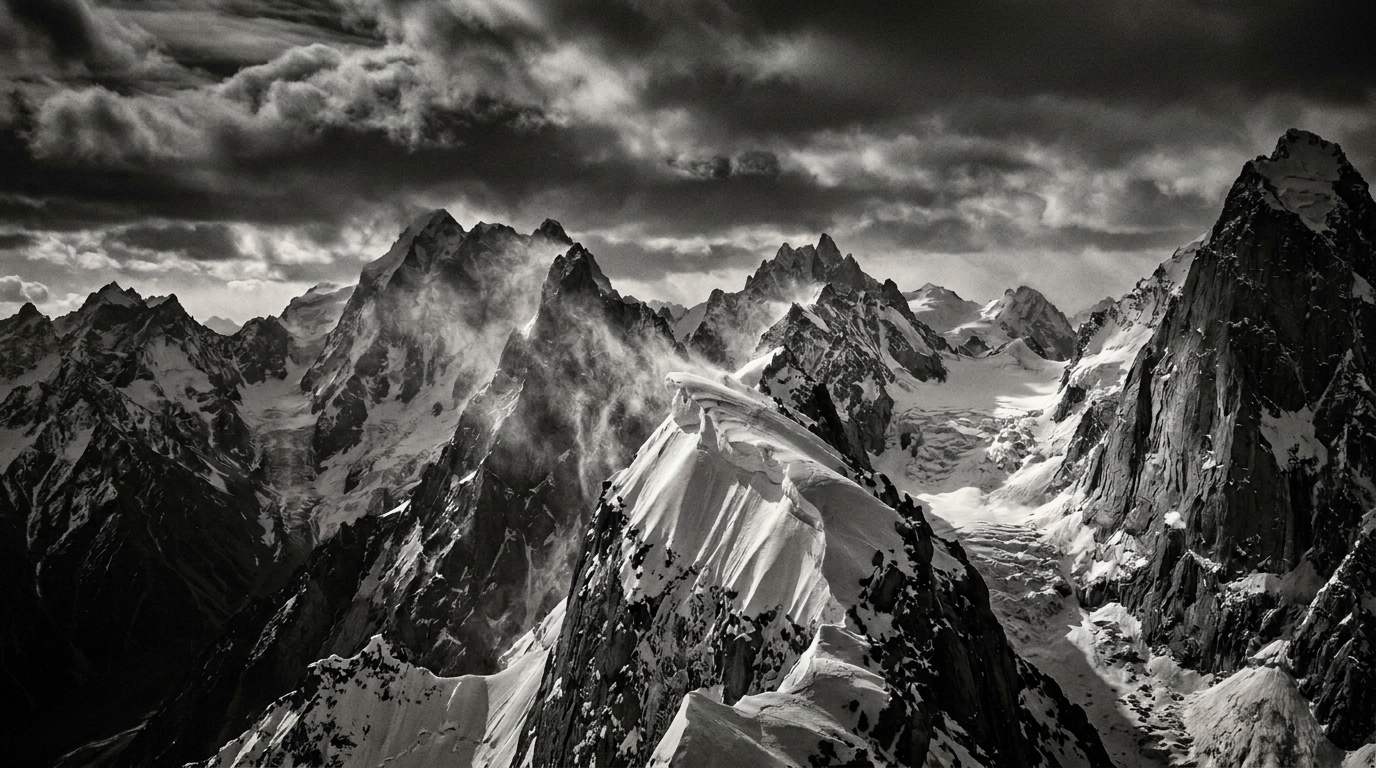
The Western Himalayas Are Sitting on a Time Bomb brings these concerns into a wider scientific examination of tectonic instability, accumulated seismic strain, glacial lake outbursts, landslides, extreme weather, vulnerable settlements and interdependent critical infrastructure. Its purpose is not to predict catastrophe or cultivate fear, but to investigate whether our societies are adequately preparing for the natural hazards and human-created vulnerabilities that increasingly coexist within these mountains.
Our atmospheric investigations examine the persistence of unhealthy air, transboundary pollution transport, the integrity of environmental measurements and the limitations of explanations confined within political borders.
Our legal and civil society investigations ask whether environmental legislation is producing environmental protection, whether lake restoration extends beyond recurring cleanup operations, whether activism is generating measurable outcomes, and whether public declarations are being translated into institutional action.
When Politics Promises Green examines environmental commitments against the documentary record of governance, expenditure, implementation and ecological outcomes.
Finally, our closing flagship investigation, Selective Environmental Consciousness, asks whether environmental principles are applied consistently, irrespective of political allegiance, religious affiliation, institutional loyalty, commercial interest or geographical jurisdiction.
No institution should be exempt from legitimate environmental scrutiny.
Neither universities nor regulators. Neither governments nor opposition parties. Neither businesses nor civil society organizations. Neither religious institutions nor communities. And certainly not Himalayan Dispatch or Kashmir EcoWatch itself.
We do not claim that every question raised in these pages has already been answered. Some require historical records that remain inaccessible. Others demand independent scientific measurements, authenticated legal documents, field investigations and responses from the institutions concerned.
Where evidence is incomplete, uncertainty must be acknowledged. Where allegations remain unresolved, they must not be presented as established facts. Where our own interpretations require correction, we must possess the intellectual humility to correct them.
This publication is neither an instrument of political convenience nor a platform for environmental condemnation without evidence.
It is an invitation to examine what we have inherited, what we have transformed, what we have neglected, what we have protected and what we may still be capable of recovering.
The Western Himalayas deserve more than periodic expressions of environmental concern. They deserve sustained scientific attention, independent journalism, responsible engineering, institutional memory and a society willing to examine its own decisions.
The mountains were here before our institutions.
They will remain long after our professional titles, political affiliations and administrative tenures have disappeared.
What remains uncertain is the ecological condition in which we will leave them.
Himalayan Dispatch begins with that responsibility.
Not with the ambition to speak louder than others, but with the determination to listen longer, investigate deeper, remember what has been forgotten and ask the questions that environmental responsibility demands.