High-Altitude Hamlets Across Leh and Zanskar Ready Gravity-Fed Ice-Reservoir Pipelines for Freeze Season
As natural cirque glaciers retreat higher above barley terraces, community water committees calibrate diversion intakes to freeze winter stream baseflow into conical spring water banks.
BY Himalayan Dispatch · Visual Editions Desk
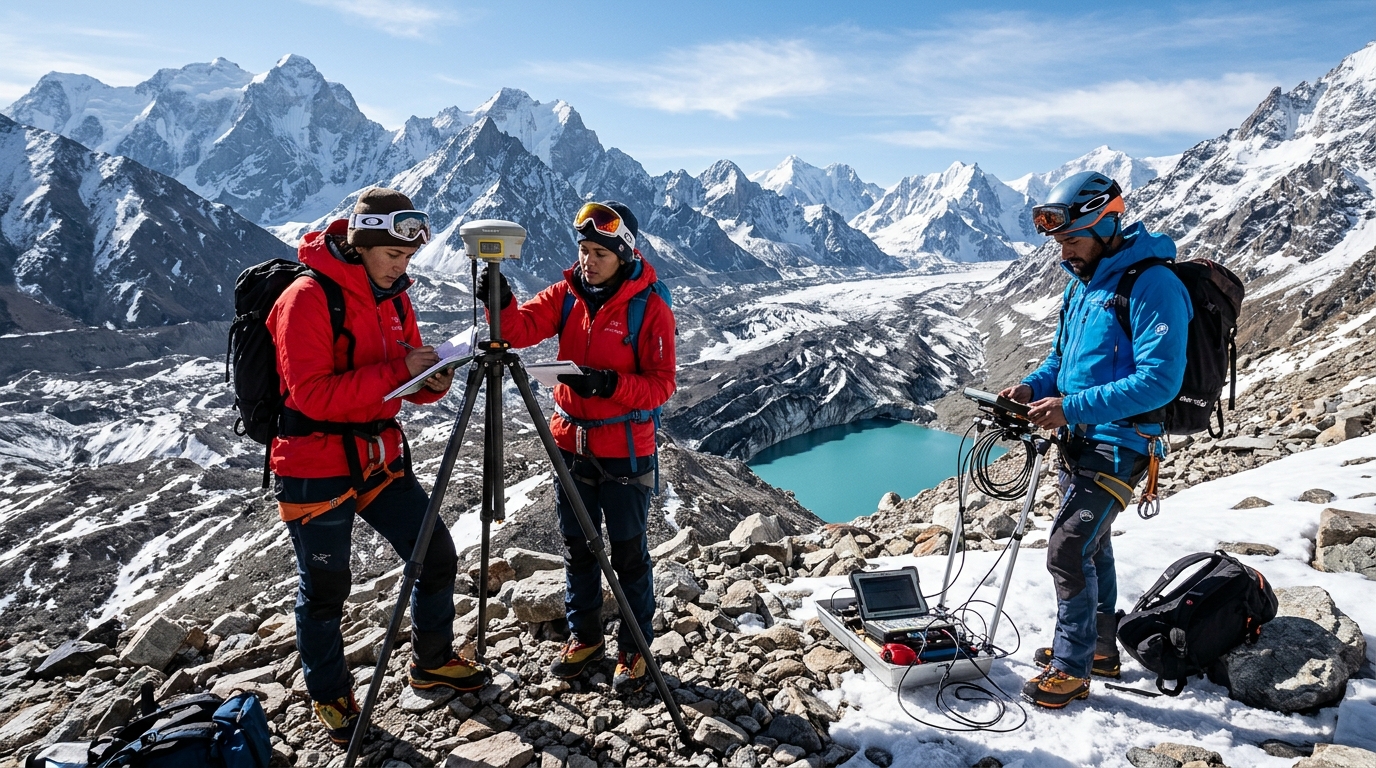
EDITORIAL & SYNTHESIS DISCLOSURE
Inaugural Editorial Desk & Observatory Synthesis: Compiled from published Trans-Himalayan cryo-hydrology and artificial ice-reservoir scholarship; not an on-site bureau field report.
In the cold desert valleys of Ladakh and Zanskar, survival has always hinged on timing rather than annual rainfall totals. Barley and peas must be watered in late April and May—weeks before sunlight reaches high enough to melt glaciers retreating above five thousand meters.
Published Trans-Himalayan water-stewardship studies across side valleys of Leh and Zanskar document how village water committees bury high-density polyethylene intake lines beneath frost depth ahead of winter freeze and clear silt traps so winter baseflow can spray skyward by gravity and freeze into shaded ice cones.
Cryo-hydrological evaluations emphasize that artificial ice reservoirs are neither a panacea nor a substitute for global emissions cuts—they cannot replace a lost valley glacier—but they buffer critical spring irrigation weeks for household orchards and ancestral terraces.
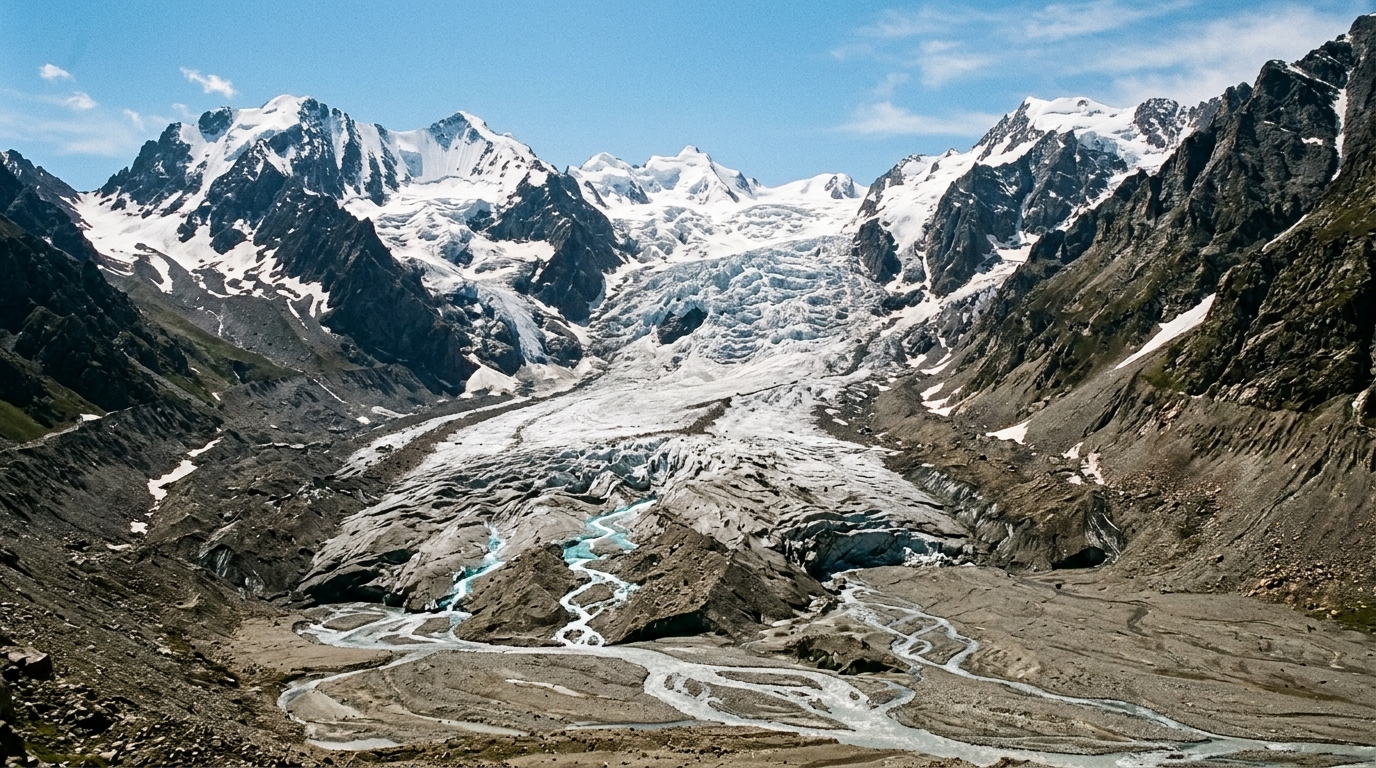
Curatorial Visual & Monochrome Editions Desk
Himalayan Dispatch · Visual Editions Desk
Curates monochrome visual studies, seasonal landscape sequences, and visual provenance governance across Himalayan Dispatch editions.
RECENT DAILY DISPATCHES