Executive Synthesis: The Karewa Horticultural Transformation
Hydrogeological Drawdown, Synthetic Fungicide Runoff, Soil Organic Carbon Depletion, and Native Wild Pollinator Decline Across Intensified Plio-Pleistocene Karewa Apple Plateaus of Shopian, Pulwama, and Kulgam
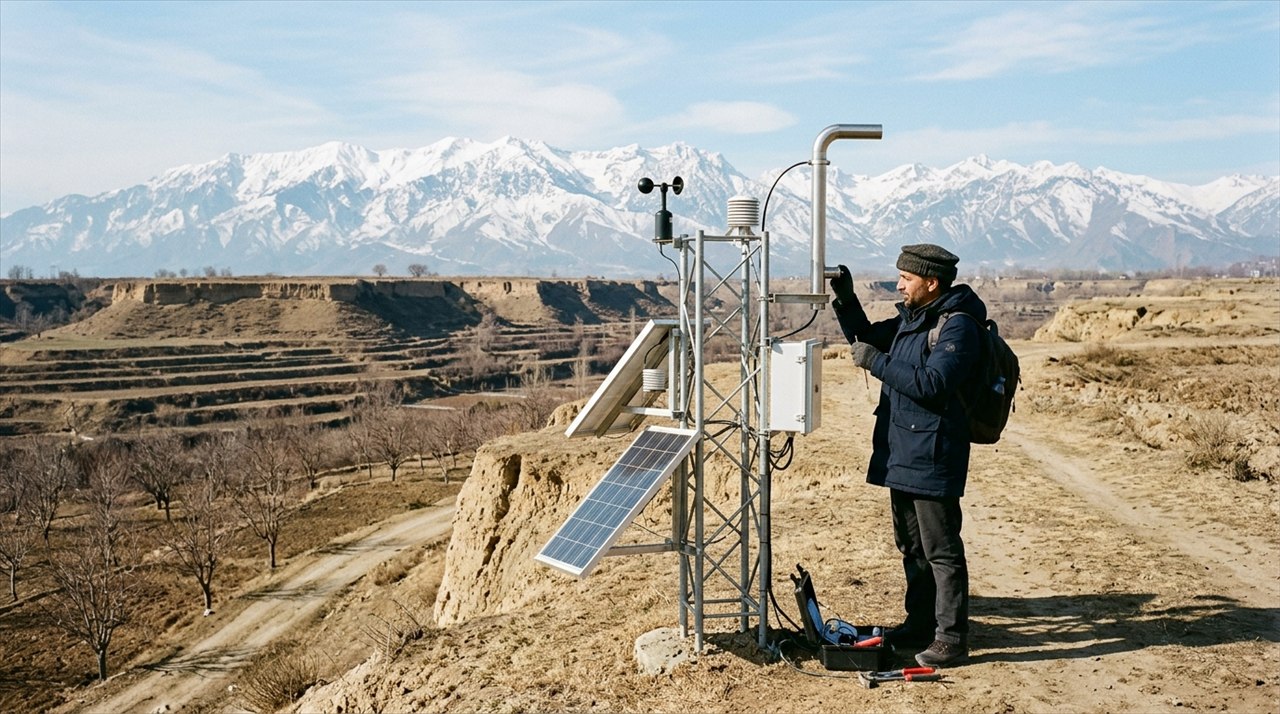
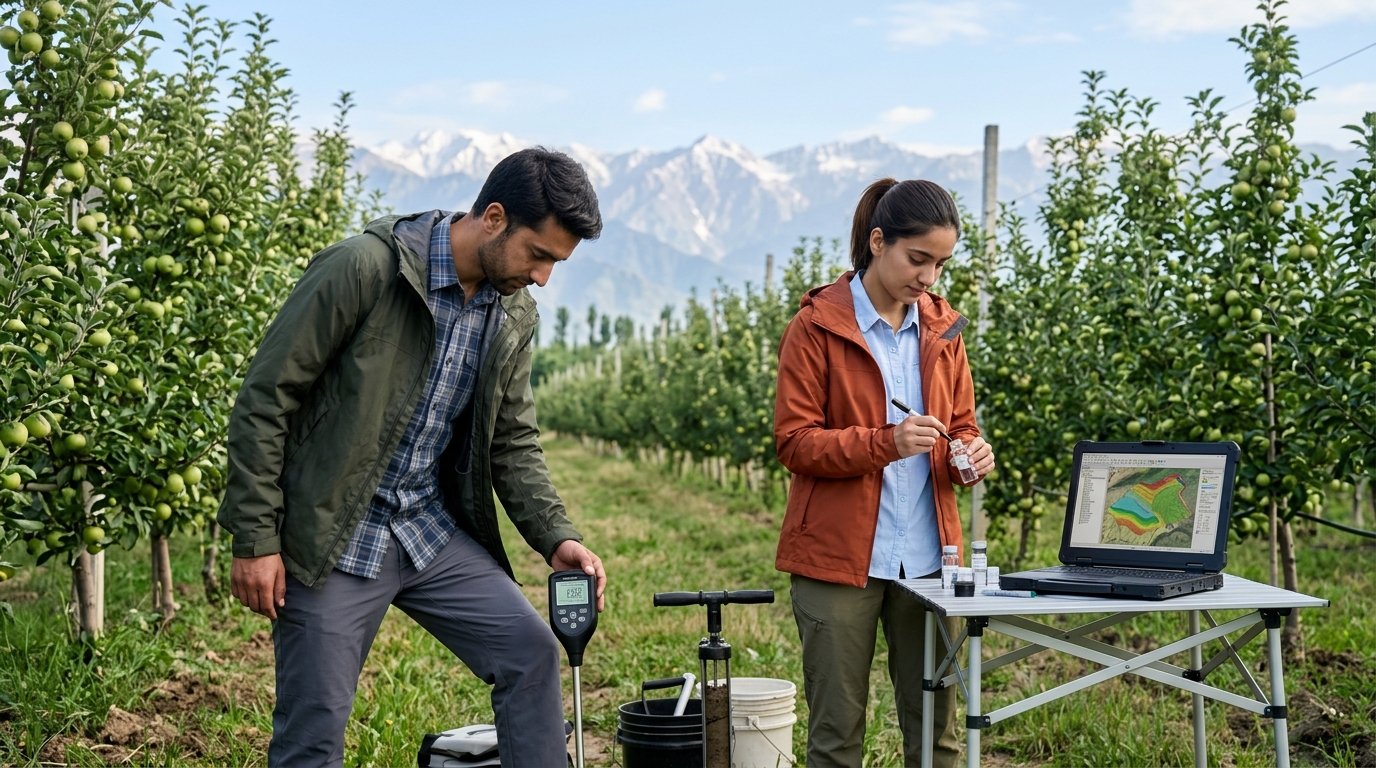
Across the elevated Plio-Pleistocene Karewa tablelands (wudr, 1,650-2,250 m ASL) of Shopian, Pulwama, and Kulgam, Kashmir’s horticultural landscape is undergoing an unprecedented structural shift from low-density, deep-rooted seedling apple agroforestry toward intensive, trellised high-density (HD) clonal monocultures . While clonal M9 and MM106 rootstocks accelerate precocity and marketable fruit yield, their shallow fibrous root architecture (<60 cm) and dense canopy geometry fundamentally alter water and agrochemical balances.
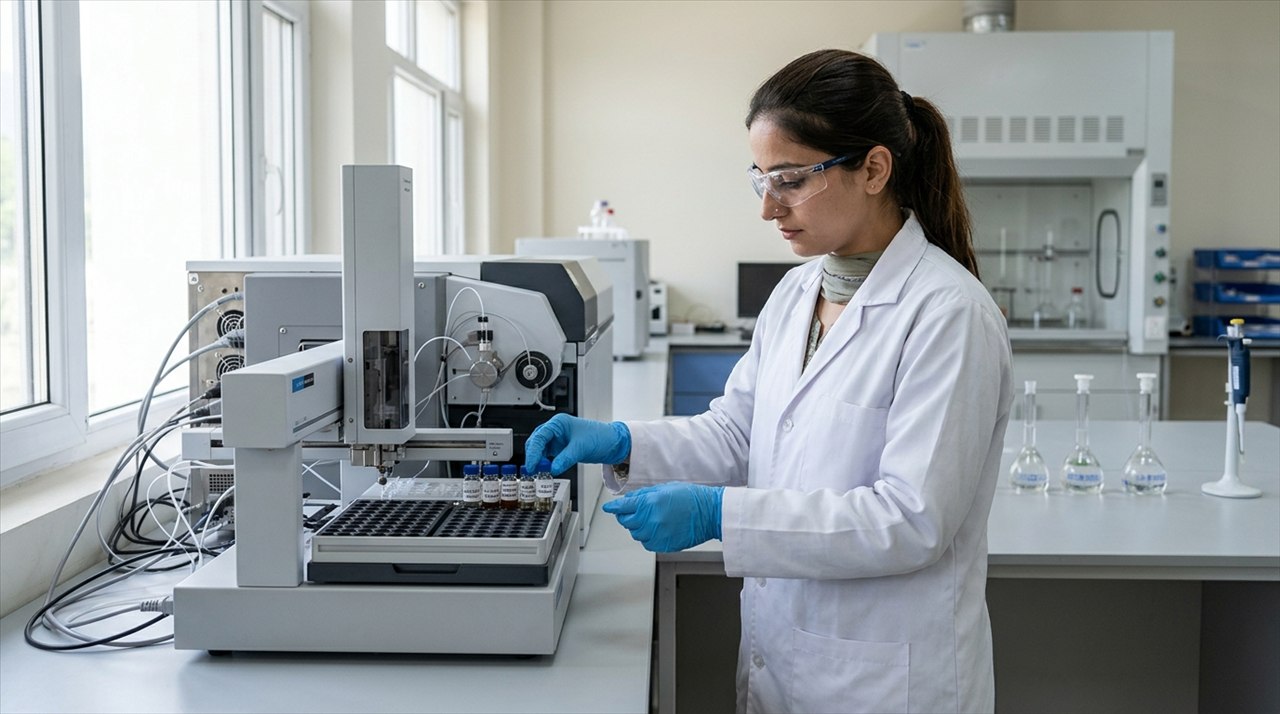
Drawing upon peer-reviewed Kashmir Himalayan pedological , entomological , epidemiological , and spring-water quality literature alongside statutory CGWB and SKUAST-Kashmir records , this review documents commercial pesticide applications averaging 24.2 kg active ingredient (AI)/ha/yr, localized seasonal Karewa groundwater drawdown of 2.1-3.8 m, a 45% decline in wild pollinator visitation, and agrochemical trace detections in 28.5% of monitored down-gradient springs.