Executive Synthesis: Three Valley Lakes, Three Limnological Regimes
Comparative Synthesis of Bathymetric Mixing Regimes, Hydraulic Residence Time, Hypolimnetic Oxygen Depletion, Internal Benthic Nutrient Recycling, and Trophic Thresholds Across Deep Monomictic Manasbal, Semi-Urban Nigeen, and Hypereutrophic Marsh-Dominated Anchar Lakes
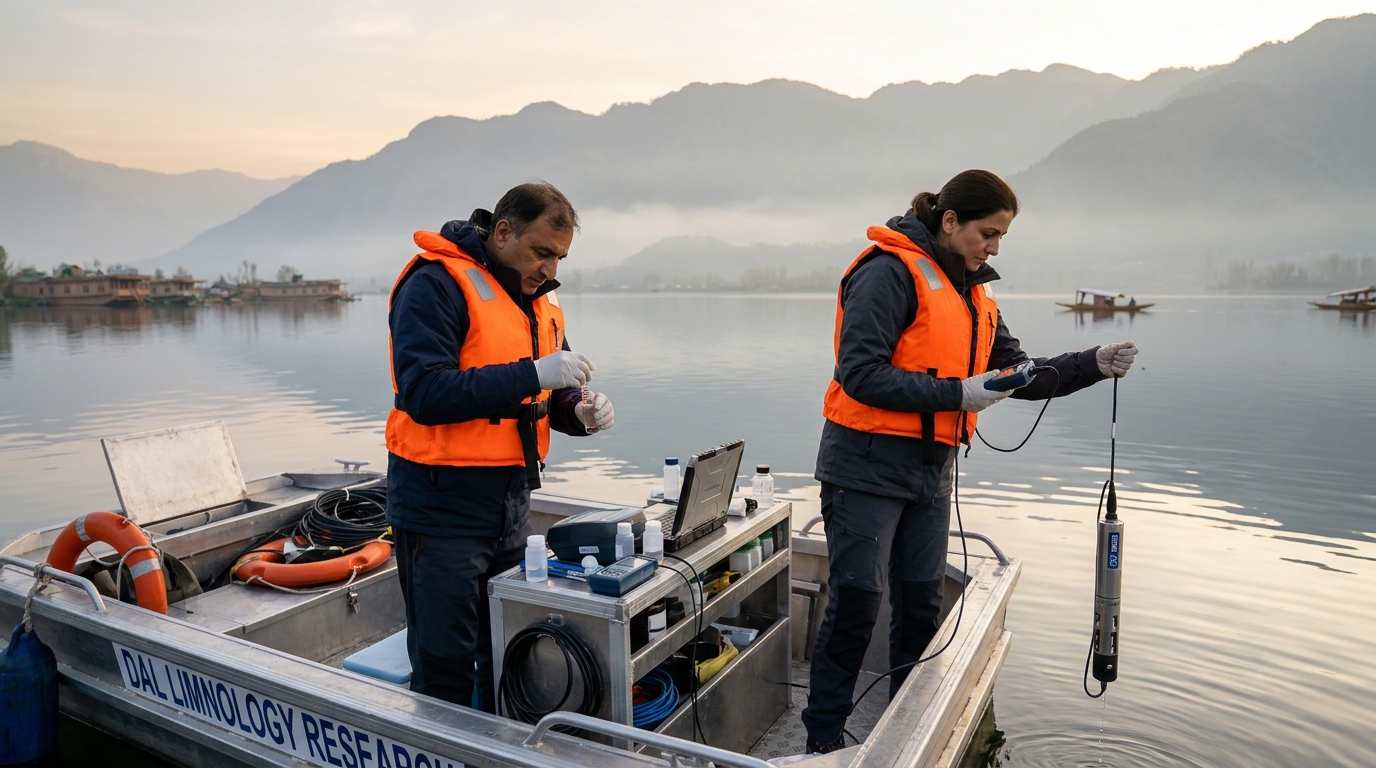
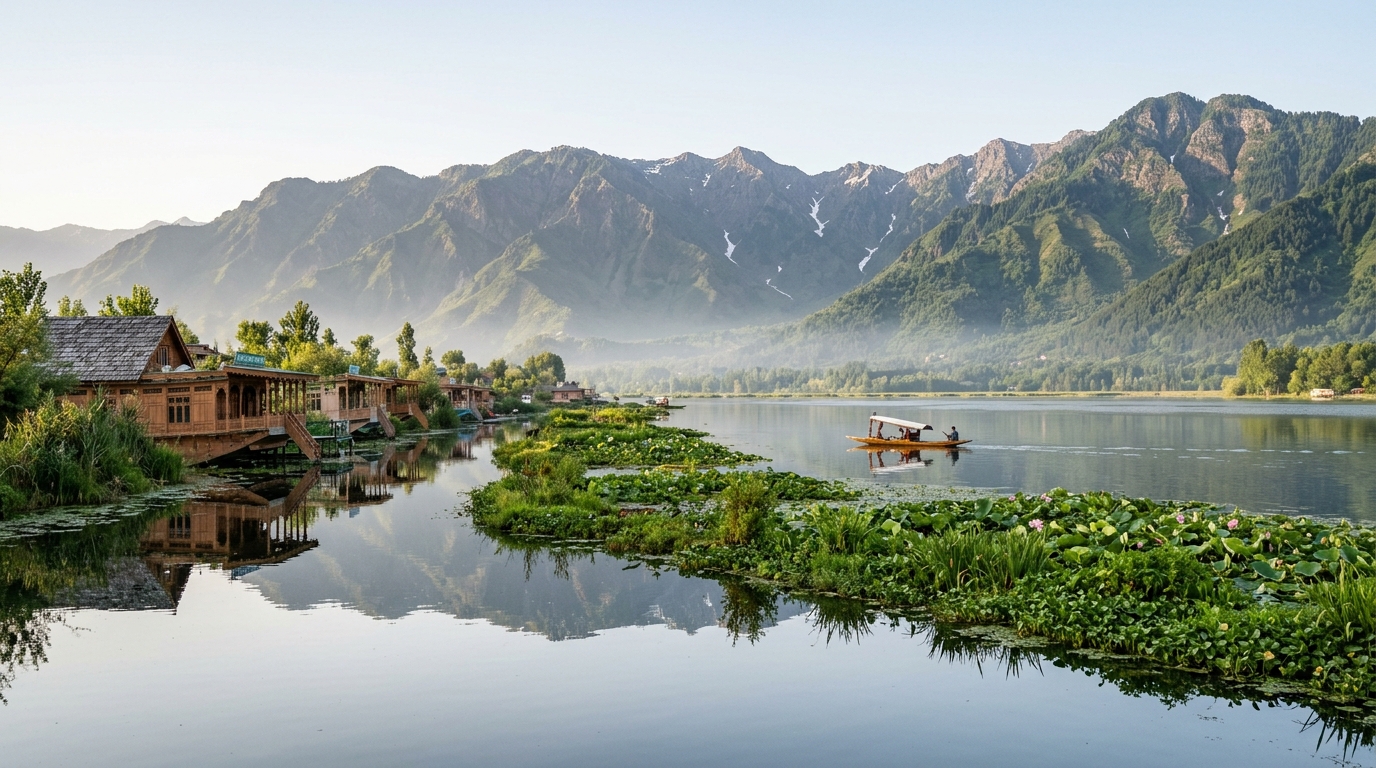
Across a 20-kilometer northwest corridor from Srinagar’s Pokhribal-Soura margin to Safapora in Ganderbal district, three celebrated valley lakes—Manasbal, Nigeen, and Anchar—exemplify how basin bathymetry, hydrological inflow provenance, and urban-catchment coupling dictate ecological resilience or collapse . Whereas Report 01 evaluates recreational tourism carrying capacity across the Dal houseboat complex and Report 04 addresses basin-scale agricultural siltation in Wular, this dossier isolates the physical and biogeochemical mechanisms governing oxygen dynamics, residence time, and trophic thresholds across Manasbal, Nigeen, and Anchar.
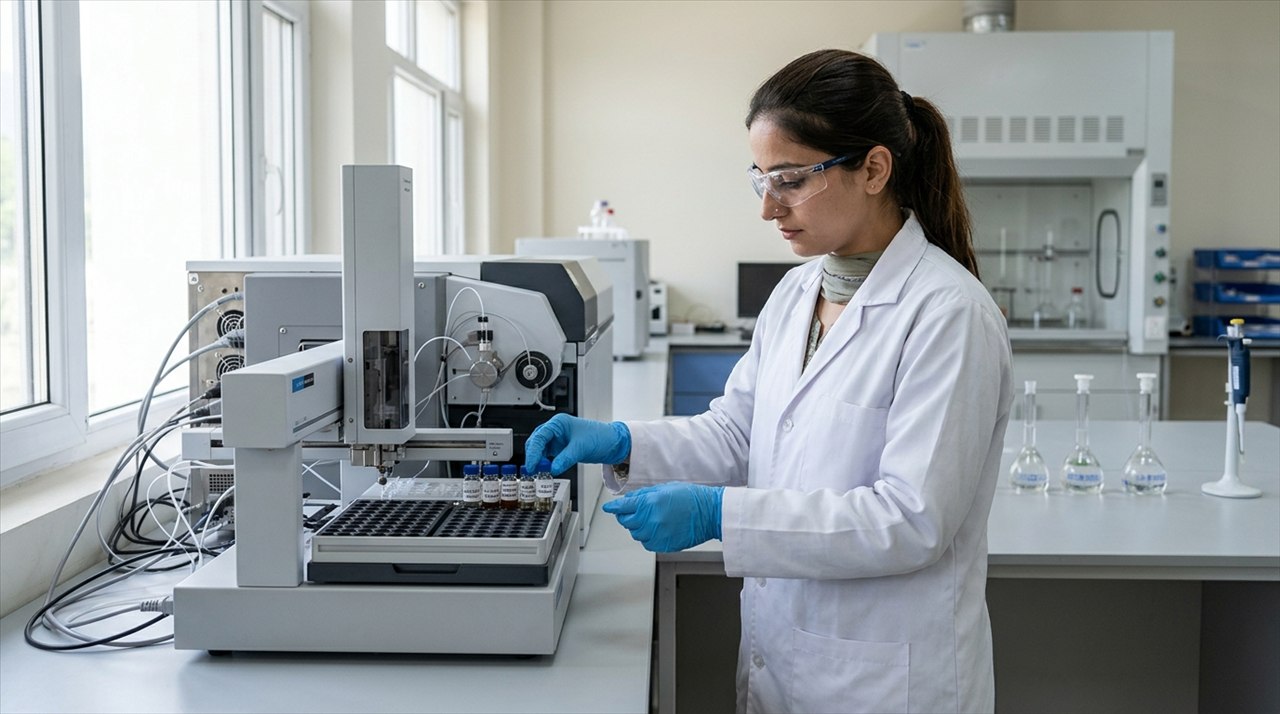
Synthesizing contemporary hydrochemical, ichthyological, bacteriological, macroinvertebrate, and geospatial datasets alongside statutory pollution records , we demonstrate a striking functional divergence: Manasbal (~13 m deep, karst-spring-fed) retains Kashmir’s clearest valley pelagic waters (Secchi ~2.85 m) yet suffers severe warm-monomictic profundal hypoxia (<1.6 mg/L DO below 9 m); Nigeen (~6.2 m deep, semi-enclosed) exhibits sluggish flushing, bottom oxygen sag (~2.9 mg/L), and pollution-tolerant macroinvertebrate dominance; and Anchar (<1.8 m deep) has lost >70% of its open water to siltation and peat-willow conversion, sitting in hypereutrophic crisis (TSI >73) .