Executive Synthesis: Sentinel Mirrors of the High Himalaya
Comparative Limnogenesis, Bathymetric Volume, Ice-Phenology Shift, Dimictic vs Cold-Monomictic Thermal Stratification, Optical Transparency, and Ultra-Oligotrophic Stoichiometry Across Eight Benchmark Glacial Lakes (Sheshnag, Gangabal, Nundkol, Tarsar, Marsar, Vishansar, Krishansar & Gadsar)
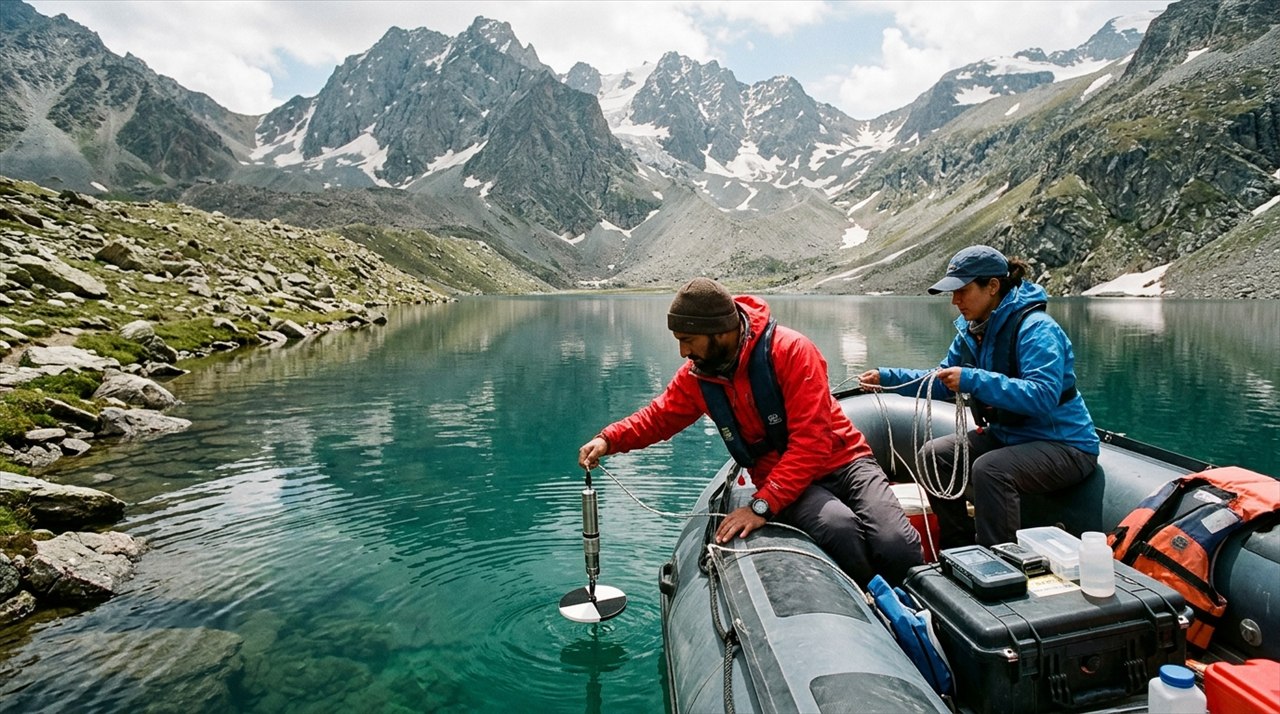
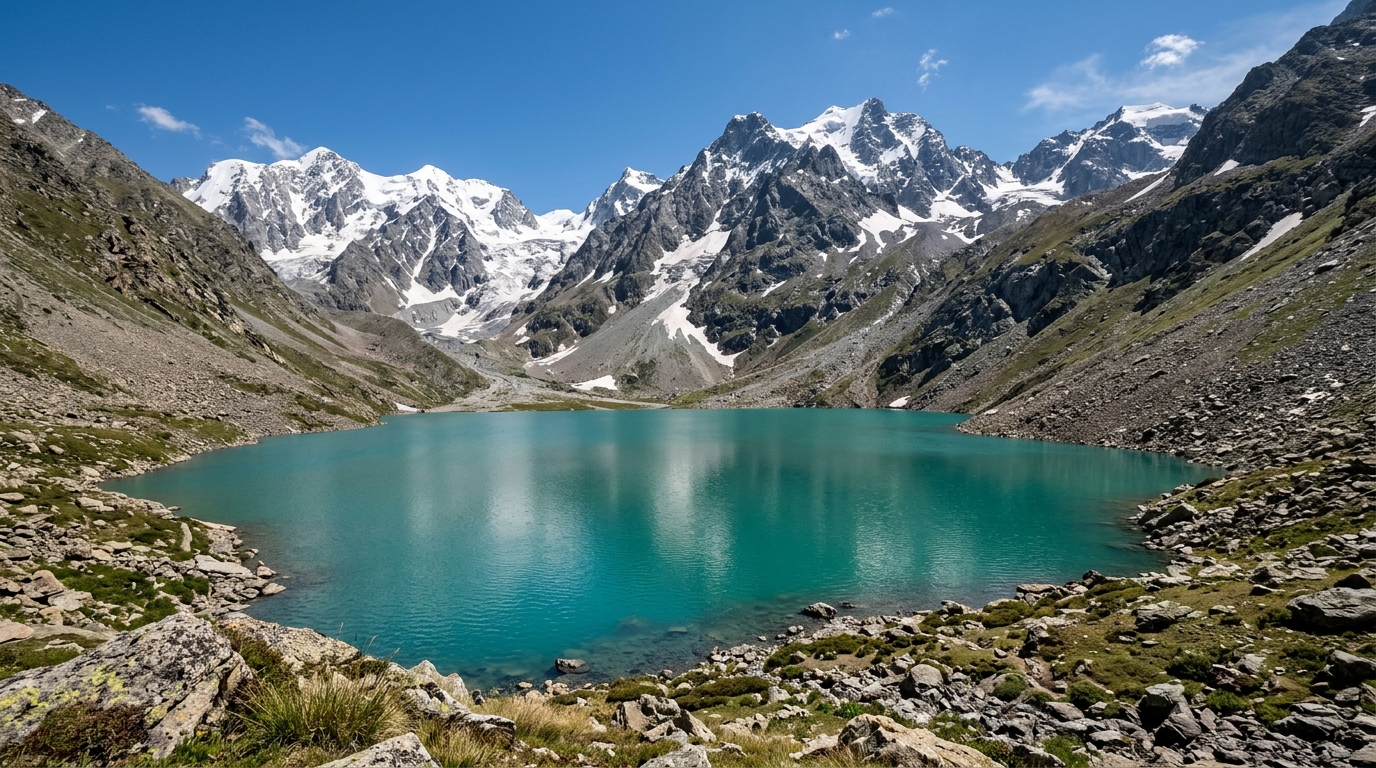
Cradled within glacially scoured cirques and moraine-impounded troughs between 3,505 and 3,835 m ASL, the eight flagship alpine lakes of Kashmir—Sheshnag, Gangabal, Nundkol, Tarsar, Marsar, Vishansar, Krishansar, and Gadsar—constitute sensitive sentinel ecosystems recording atmospheric warming, cryospheric decoupling, and atmospheric deposition . Unlike the shallow, macrophyte-dense warm-monomictic lakes of the Srinagar valley floor, these high-mountain basins remain sealed beneath snow and ice for seven to eight months each year and exhibit dilute, ultra-oligotrophic water chemistry .
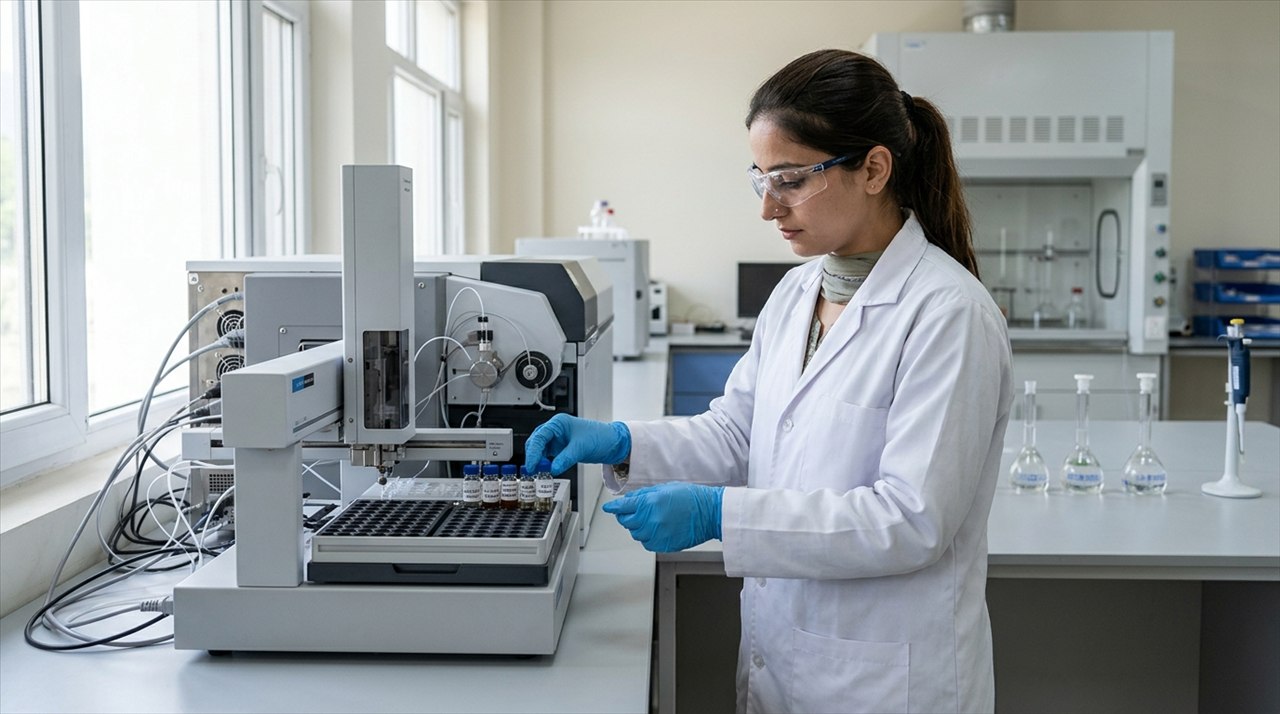
Maintaining strict scope separation from Report 05 (which examines pilgrimage trail and camp infrastructure along the East Lidder corridor), this dossier synthesizes five decades of physical, optical, and biological limnology . We demonstrate that glacial meltwater connectivity divides Kashmir’s alpine lakes into two fundamentally distinct optical-thermal regimes: rock-flour-turbid proglacial basins (Sheshnag and Harmukh-coupled Gangabal) versus crystal-clear, UV-exposed snow-fed cirque tarns (Tarsar, Marsar, Krishansar, and Gadsar) .