Executive Microbiological & Sanitary Engineering Synthesis
Interceptor deficits, cold-season STP underperformance, and enteric pathogen exposure across urban Kashmir
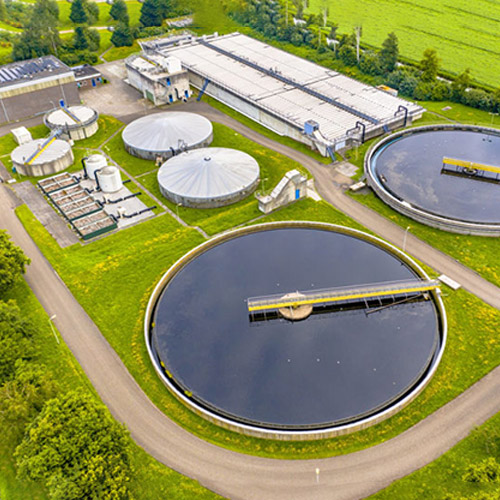
Across Srinagar and Kashmir’s rapidly urbanizing corridor towns, domestic wastewater infrastructure exhibits a structural mismatch between piped water supply expansion and downstream sewage interception, biological treatment, and disinfection [5, 6]. Greater Srinagar alone generates more than 220–245 million litres per day (MLD) of municipal greywater and blackwater, rising past 310–340 MLD when Anantnag, Baramulla, Sopore, Pulwama, Ganderbal, Budgam, and seasonal tourist hubs (Pahalgam, Gulmarg, Sonamarg) are aggregated . Statutory inventories by the Central Pollution Control Board (CPCB) and audits by the Comptroller and Auditor General (CAG) confirm that over 60% of urban wastewater either lacks underground lateral-to-trunk sewer connectivity or bypasses secondary treatment via combined stormwater dewatering stations [5, 6].
Consequently, raw and partially treated sewage discharges directly into Dal–Nigeen, Brari Nambal, Chunt Kol, Khushalsar–Gilsar–Anchar, and the River Jhelum, sustaining CPCB Polluted River Stretch classifications from Anantnag through Chattabal and Sopore . Longitudinal hydrochemical studies document sharp deterioration as pristine mountain inflows such as Dagwan stream traverse peri-urban settlements into Dal Lake , while inner-lake and lagoon channels exhibit depressed dissolved oxygen, elevated orthophosphate and ammoniacal nitrogen, opportunistic pathogenic fungi causing human dermal/mucosal infections , recurrent euglenoid/algal blooms [3, 4], and faecal coliform densities exceeding bathing and raw-water safety thresholds by more than an order of magnitude [5, 7].