
Kashmir EcoWatch
Dr. Kumar's Kashmir EcoWatchGLOBAL INSTITUTE FOR ADVANCED ENVIRONMENTAL STUDIES
Himalayan Dispatch
Verified OfficialTrans-DivisionalVerified OfficialIUCN Category II
KEW Western Himalayan

Kishtwar HighAltitude National Park

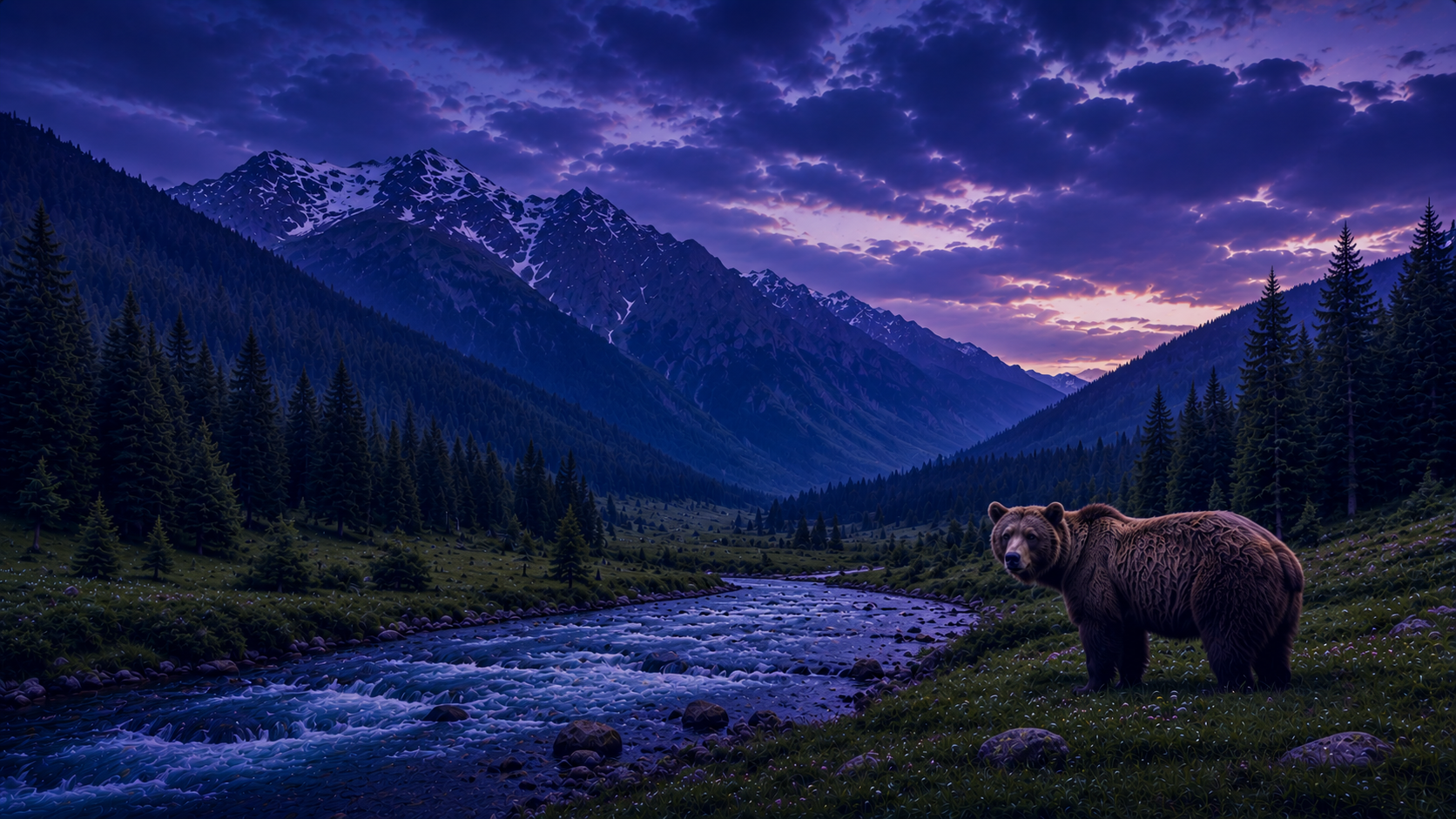
Vast glacial and alpine conservation wilderness in the upper Chenab drainage of Kishtwar district. Encompasses deeply incised gorges, hanging glaciers, high mountain passes, and untouched subalpine forests supporting the westernmost Himalayan population of Snow Leopards and Brown Bears.

Critical high-altitude glacial and alpine wilderness protecting the snow leopard and brown bear in the Chenab watershed.
Encompasses untouched virgin coniferous forests of Cedrus deodara, Pinus wallichiana, and subalpine Betula utilis.
Key ecological stepping stone between Greater Himalayas of Kashmir and the Zanskar-Himachal alpine continuum.
Area
2190.5 km²
Established
1981
District
Kishtwar
Elevation Range
1,700 to 4,800 m
Biogeographic Zone
Western Himalaya (Chenab Valley)
IUCN Category
IUCN Category II
Flagship Species
Snow Leopard
Visitor Access
Restricted / Permit Required for High Passes
Data Quality
Official Verified
Core Watersheds
Marusudar River CatchmentRinnay NallahKibar NallahUpper Chenab Basin
Conservation Dashboard
Scores are composite intelligence indicators · 0–100
78
Conservation Status
72
Species Richness
84
Habitat Integrity
48
Threat Resilience
64
Monitoring Coverage
58
Research Coverage

Ecological Intelligence NetworkLive Graph

Auto-generated multi-dimensional insight from 8 linked biodiversity systems.

Protected Area Health

Stable / HighMedium Confidence
68/100

Health driven by baseline species richness.

habitat Condition
65
species Richness
85
threatened Species Count
60
threat Pressure
50
monitoring Coverage
80
Sources: Protected Area Network
No direct habitat signals mapped for this precise area

Ecosystem Risk Score

ModerateMedium Confidence
45/100

Ecosystem shows moderate stress primarily from climate vulnerability and water extraction.

habitat Stress
50
climate Vulnerability
60
water Stress
40
Sources: Habitat Signals, Climate Records

Conservation Priority

Excellent / Very HighHigh Confidence
85/100

High conservation priority due to imminent threat presence and high connectivity value.

urgency
90
threatened Presence
85
ecological Connectivity
80
Sources: Species Directory, Habitat Signals

Graph Linkages

Species Recorded85
Observation Records1245
Habitat Ecosystems0
Migration Events0

Synthesized Insights

Automatically linked 0 migration events.

0 habitat signals detected.

Limited habitat monitoring data.

Protected Area Profile

Vast glacial and alpine conservation wilderness in the upper Chenab drainage of Kishtwar district. Encompasses deeply incised gorges, hanging glaciers, high mountain passes, and untouched subalpine forests supporting the westernmost Himalayan population of Snow Leopards and Brown Bears.

Location
Kishtwar District
Established
1981
Total Area
2190.5 km²
IUCN Category
IUCN Category II
Biogeographic Zone
Western Himalaya (Chenab Valley)
Visitor Access
Restricted / Permit Required for High Passes

Ecological Connectivity

Overa-Aru Wildlife Sanctuary
Wildlife Sanctuary · ~55 km NW
Padder / Zanskar Trans-Himalayan Corridor
High Altitude Pass · ~40 km NE
Great Himalayan National Park Corridor
Trans-Divisional Linkage · ~90 km SE

Ecological Trends

↓ negative
Glacial Mass Balance
Moderate retreat recorded in Brammah glacier group
→ stable
Snow Leopard Occupancy
Sustained presence confirmed via camera trap grids
→ stable
Alpine Forest Cover
Subalpine birch and fir canopy intact above 2,800m

Data Sources

Department of Wildlife Protection J&K
Wildlife Institute of India (WII)
IUCN Red List
GBIF

Key Species

Snow Leopard (Panthera uncia)
Himalayan Brown Bear
Himalayan Tahr
Kashmir Musk Deer
Himalayan Serow
Ibex

Research Coverage

Snow Leopard Habitat Surveys14
Glacial Dynamics Studies9
Ungulate Population Census8
Botanical Assessments11
Data last verified: 2024 · J&K Wildlife Dept.