Kashmir EcoWatch
Dr. Kumar's Kashmir EcoWatchGLOBAL INSTITUTE FOR ADVANCED ENVIRONMENTAL STUDIES
Himalayan Dispatch
KEW Protected Network · Conservation Domain

KEW Western Himalayan
National Parks & Core Habitats

Mountain and temperate forest conservation landscapes spanning Kashmir's protected, trans-divisional, and transboundary ecological zones. Integrates species profiles, boundary data, habitat intelligence, and conservation monitoring for each park.

Protected Area Sentinel
Active 2026
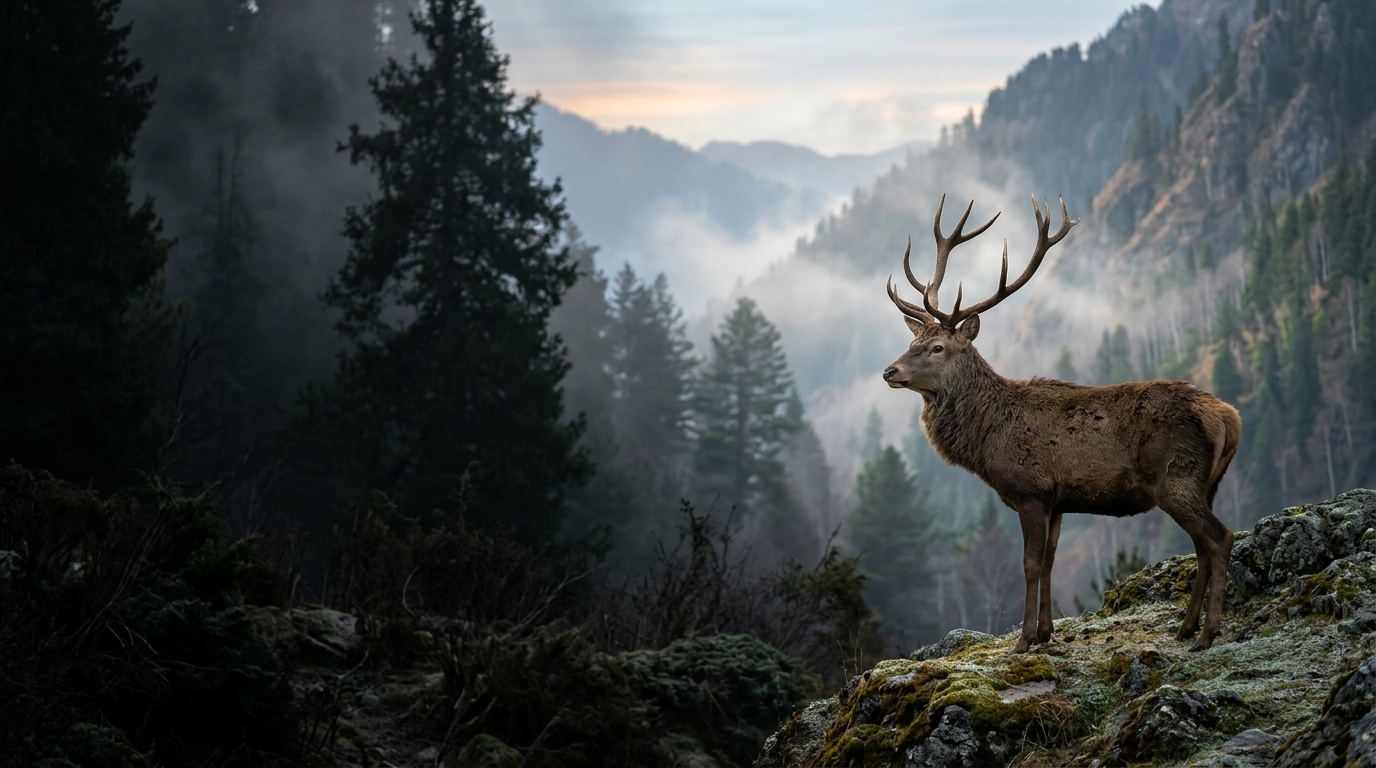
Dachigam National Park

Dachigam National Park

National Park
Prime Hangul Sanctuary & Upper ForestSrinagar · 141 km²
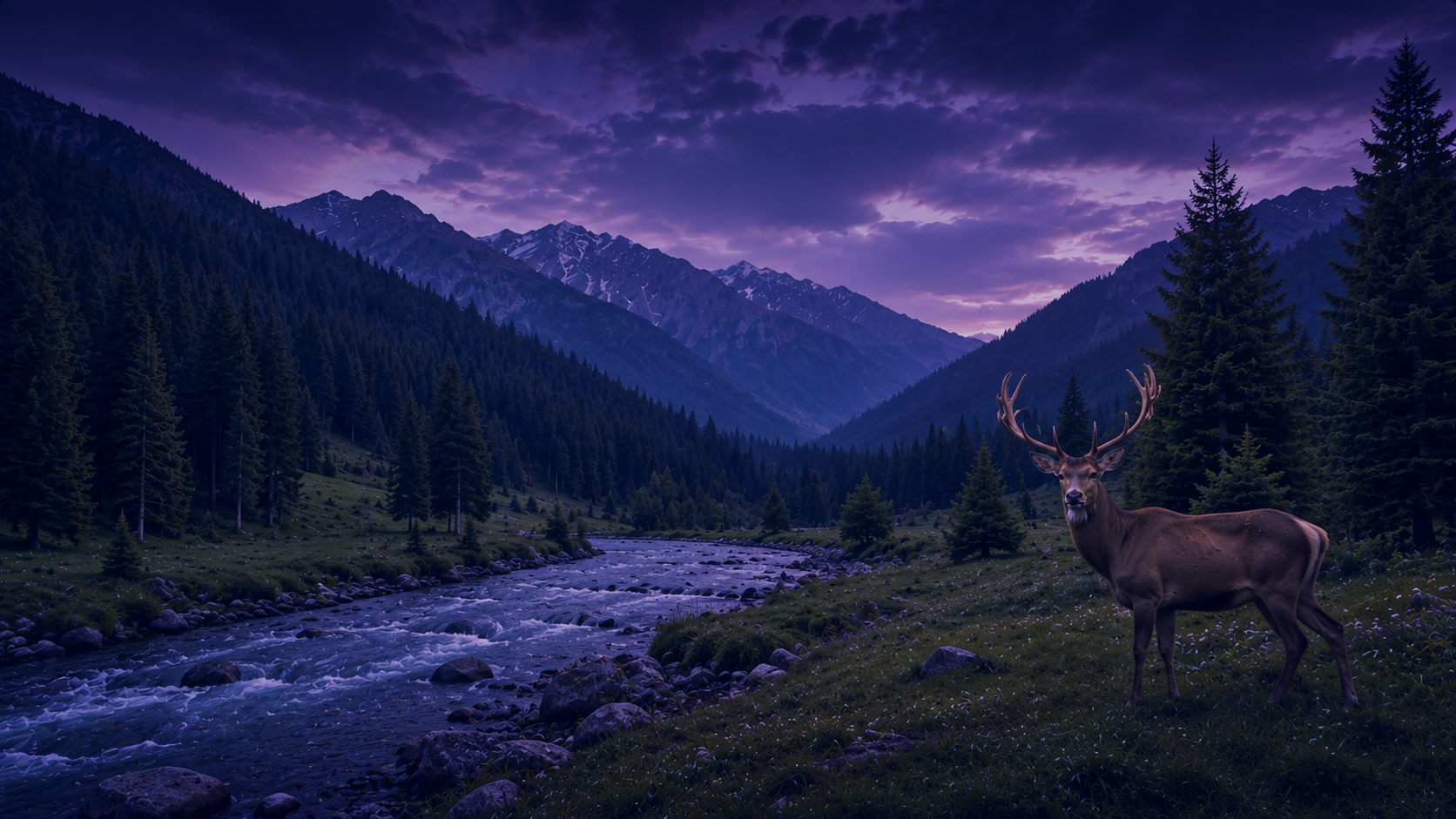
Trans-Himalayan Wildlife Corridor & Reserve SentinelActive Monitoring 2026

Core Conservation Landscapes: Dachigam Hangul Sanctuary, Kazinag Markhor Corridor, Hokersar Ramsar Basin, Overa-Aru Reserve, and Hemis High-Altitude Network.

18 Filtered
18
Total National Parks
28,577 km²
Total Protected Biome
5
Core & Trans Parks
13
Transboundary Parks
16
Districts & Regions
1,975
Earliest Designation
8,611 m (K2)
Highest Altitude Summit
18 Species
Flagship Apex Taxa
Dachigam National Park
national parkKashmir Core
34.14°N, 75.04°E
Est. 1981IUCN Category IIVerified Official

Dachigam National Park

Premier temperate montane conservation landscape in the Zabarwan Range near Srinagar. World-renowned as the last viable sanctuary for the critically endangered Hangul (Kashmir Stag). Spans a dramatic 2,600m altitudinal gradient from Lower Dachigam riverine scrub to Upper Dachigam alpine crags at Mahadev Peak.

Area
141 km²
District
Srinagar
Elevation
1,600 to 4,267 m
Flagship:Hangul (Kashmir Stag)
Key Species
Hangul (Cervus hanglu hanglu)Himalayan Black BearCommon Leopard+3 more
Dagwan River / Dal Lake Catchment
SrinagarExplore Park
Kazinag National Park
national parkKashmir Core
34.15°N, 74.05°E
Est. 1992IUCN Category IIVerified Official

Kazinag National Park

Rugged Pir Panjal and transboundary conservation landscape along the northern bank of the Jhelum River in Baramulla. Established to protect the endangered Flare-horned Markhor and subalpine wildlife corridors. Forms a contiguous habitat complex with Limber and Lachipora Sanctuaries.

Area
160 km²
District
Baramulla
Elevation
1,800 to 4,356 m
Flagship:Flare-horned Markhor
Key Species
Flare-horned Markhor (Capra falconeri cashmiriensis)Himalayan Musk DeerHimalayan Black Bear+3 more
Jhelum River / Limber & Mithwani Nallahs
BaramullaExplore Park
Salim Ali / City Forest National Park
national parkKashmir Core
34.08°N, 74.80°E
Est. 1986IUCN Category II (Historic Notification · Statutory Remainder Under Audit)Gazette & NBWL Forensic Audit (KEW-INV-0018 · Partial 1.62 km² Reported 2005)

Salim Ali / City Forest National Park

Recorded in the Wildlife Institute of India Protected Area Gazette archive as City Forest (Sálim Ali) National Park (reported across inventories at 8.69–9.07 km², with 8.85 km² / 885 ha cited in 2005 National Board for Wildlife proceedings). Between 1998 and 2001, part of the Zabarwan–Dal Lake foothill landscape was developed as the Royal Springs Golf Course (~121.4 ha / 300 acres); Oct 2005 NBWL minutes recorded a reported 1.62 km² (162 ha) denotification while raising unresolved pesticide, Dal Lake effluent, and partial recommendation-compliance objections, leaving 723 ha and authenticated statutory gazette records under active forensic audit.

Area
9.07 km²
District
Srinagar
Elevation
1,585 to 1,620 m
Flagship:Himalayan Avifauna
Key Species
Himalayan MonalParadise FlycatcherRing-necked Pheasant+2 more
Dal Lake Basin / Zabarwan Foothill Catchment
SrinagarExplore Park
Kishtwar High Altitude National Park
national parkTrans-Divisional
33.61°N, 75.99°E
Est. 1981IUCN Category IIVerified Official

Kishtwar High Altitude National Park

Vast glacial and alpine conservation wilderness in the upper Chenab drainage of Kishtwar district. Encompasses deeply incised gorges, hanging glaciers, high mountain passes, and untouched subalpine forests supporting the westernmost Himalayan population of Snow Leopards and Brown Bears.

Area
2190.5 km²
District
Kishtwar
Elevation
1,700 to 4,800 m
Flagship:Snow Leopard
Key Species
Snow Leopard (Panthera uncia)Himalayan Brown BearHimalayan Tahr+3 more
Chenab River / Marusudar, Rinnay & Kibar Catchments
KishtwarExplore Park
Hemis High Altitude National Park
national parkTrans-Divisional
33.98°N, 77.43°E
Est. 1981IUCN Category IIVerified Official

Hemis High Altitude National Park

The largest national park in India and the premier high-altitude conservation bastion in South Asia. Situated north of the Greater Himalayas in the Zanskar Range of Ladakh, it contains the highest recorded density of Snow Leopards globally and protects ancient Tibetan Buddhist monasteries within its borders.

Area
4400 km²
District
Leh
Elevation
3,000 to 6,000 m
Flagship:Snow Leopard (Density Capital)
Key Species
Snow Leopard (Panthera uncia)Shapu (Ladakh Urial)Great Tibetan Sheep (Argali)+4 more
Indus River / Rumbak, Markha & Sumdah Valleys
LehExplore Park
Deosai National Park
national parkTransboundary / Extended
35.03°N, 75.47°E
Est. 1993IUCN Category IIUNESCO Tentative List

Deosai National Park

Renowned as the 'Land of Giants', Deosai is the second highest alpine plateau in the world at an average elevation of 4,114 meters. Situated between Skardu, Astore, and Gurez, it protects the most critical surviving population of the endangered Himalayan Brown Bear and pristine alpine wetland complexes like Sheosar Lake.

Area
3584 km²
District
Skardu / Astore
Elevation
3,500 to 4,200 m
Flagship:Himalayan Brown Bear
Key Species
Himalayan Brown Bear (Ursus arctos isabellinus)Golden MarmotTibetan Wolf+3 more
Deosai Plateau Wetland Network / Sheosar Lake / Shigar & Astore Drainage
Skardu / AstoreExplore Park
Khunjerab National Park
national parkTransboundary / Extended
36.85°N, 75.10°E
Est. 1975IUCN Category IIVerified Official

Khunjerab National Park

Straddling the Karakoram alpine crest along the international border in Gojal, Hunza. Established under the recommendation of field biologist Dr. George Schaller to rescue the Marco Polo Sheep from regional extirpation. Encompasses dramatic glaciated passes and high-altitude screes.

Area
2269.13 km²
District
Hunza
Elevation
3,200 to 6,000 m
Flagship:Marco Polo Sheep
Key Species
Marco Polo Sheep (Ovis ammon polii)Snow LeopardHimalayan Ibex+3 more
Khunjerab River / Hunza River Catchment
HunzaExplore Park
Central Karakoram National Park
national parkTransboundary / Extended
35.75°N, 76.00°E
Est. 1993IUCN Category IIVerified Official

Central Karakoram National Park

The monumental core of the Karakoram Mountain Range and the largest protected area in Pakistan. Home to K2 (8,611m), Broad Peak, Gasherbrum massifs, and the world's longest non-polar valley glaciers including Baltoro, Biafo, and Godwen-Austen. An unparalleled high-mountain biodiversity and glaciology sentinel.

Area
10000 km²
District
Gilgit / Skardu / Hunza / Ghanche
Elevation
2,000 to 8,611 m
Flagship:Snow Leopard & Glacial Massifs
Key Species
Snow Leopard (Panthera uncia)Himalayan IbexFlare-horned Markhor+3 more
Braldu, Shigar, Hushe & Indus River Headwaters
Gilgit / Skardu / Hunza / GhancheExplore Park
Machiara National Park
national parkTransboundary / Extended
34.50°N, 73.62°E
Est. 1996IUCN Category IIVerified Official

Machiara National Park

Pristine Himalayan moist temperate forest and subalpine biodiversity sanctuary in the Neelum-Jhelum catchment of Muzaffarabad district. Internationally recognized by the Global Environment Facility (GEF) as one of the most critical global breeding strongholds of the vulnerable Western Tragopan.

Area
135.32 km²
District
Muzaffarabad
Elevation
2,000 to 4,700 m
Flagship:Western Tragopan
Key Species
Western Tragopan (Tragopan melanocephalus)Cheer PheasantKashmir Musk Deer+3 more
Machiara & Neelum River Catchments
MuzaffarabadExplore Park
Ghamot National Park
national parkTransboundary / Extended
34.98°N, 74.32°E
Est. 2004IUCN Category IIVerified Official

Ghamot National Park

High-altitude subalpine forest and glacial landscape in the upper Neelum Valley, linking directly across passes to Kashmir's Gurez Valley and Bandipora ranges. Harboring critical herds of Kashmir Musk Deer, Brown Bears, and rare medicinal flora.

Area
272.71 km²
District
Neelum
Elevation
2,600 to 4,400 m
Flagship:Kashmir Musk Deer
Key Species
Kashmir Musk Deer (Moschus cupreus)Western TragopanSnow Leopard+3 more
Ghamot Nullah / Upper Neelum River Basin
NeelumExplore Park
Poonch River Mahaseer National Park
national parkTransboundary / Extended
33.33°N, 73.95°E
Est. 2010IUCN Category II (Aquatic)Aquatic National Park

Poonch River Mahaseer National Park

Unique aquatic and riverine national park spanning a 62-kilometer continuous stretch of the Poonch River and its gravel riffles. Established specifically to safeguard the critically endangered Golden Mahseer (Tor putitora) and the endemic Kashmir Catfish from dam inundation and habitat degradation.

Area
14 km²
District
Kotli / Mirpur / Poonch
Elevation
450 to 900 m
Flagship:Golden Mahseer (Tor putitora)
Key Species
Golden Mahseer (Tor putitora)Kashmir Catfish (Glyptothorax kashmirensis)Snow Trout (Schizothorax plagiostomus)+2 more
Poonch River Main Channel into Mangla Reservoir
Kotli / Mirpur / PoonchExplore Park
Pir Lasura National Park
national parkTransboundary / Extended
33.32°N, 74.00°E
Est. 2005IUCN Category IIVerified Official

Pir Lasura National Park

Subtropical chir pine and scrub forest reserve occupying the ridgelines and ravines of Kotli district. Serves as a vital sub-Himalayan refuge for ungulates, barking deer, and threatened galliformes including the Cheer Pheasant.

Area
15.8 km²
District
Kotli
Elevation
1,200 to 2,000 m
Flagship:Cheer Pheasant & Goral
Key Species
Common LeopardBarking Deer (Goral)Cheer Pheasant+2 more
Poonch River Foothill Tributaries
KotliExplore Park
Showing 1 to 12 of 18 records