Executive Synthesis & Scope Distinction From Municipal Solid Waste
Containment Integrity, Informal Dismantling Pathways, Heavy-Metal Soil/Water Partitioning, and Regulatory Compliance Across Biomedical, WEEE, Battery, and Chemical Waste Streams in Kashmir
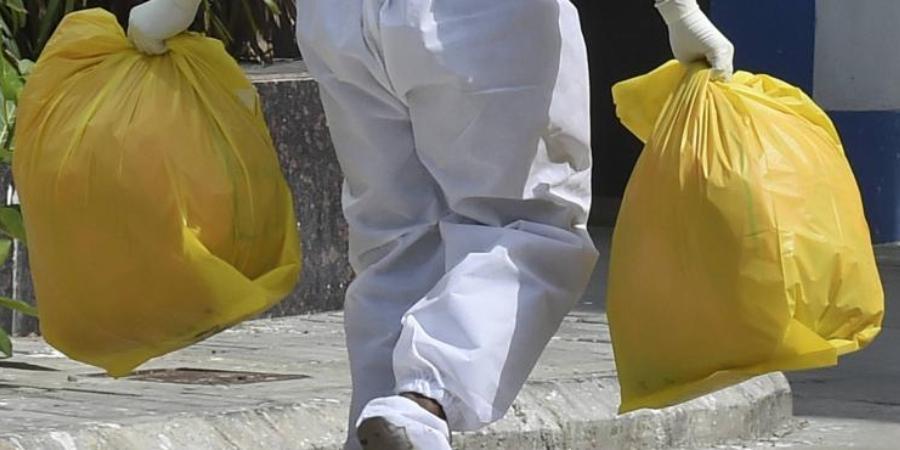
Unlike general municipal solid waste (examined separately under KEW Report 37), biomedical waste, waste electrical and electronic equipment (WEEE), spent lead-acid and lithium-ion batteries, and industrial/laboratory chemical residues constitute low-volume, high-consequence hazardous waste streams . Even fractional containment breaches introduce infectious bloodborne pathogens, neurotoxic lead, nephrotoxic cadmium, elemental mercury, and persistent halogenated organic compounds directly into Kashmir’s soils, aquifers, and winter airsheds .
Synthesizing Kashmir and Indian clinical waste studies , statutory CPCB/JKPCC compliance records , and Indian/Himalayan waste-contamination chemistry , this dossier identifies a dual vulnerability: while authorized Common Bio-Medical Waste Treatment Facilities (CBWTFs) led by Lassipora now process ~78% of inventoried healthcare waste, ward-level 4-bin segregation lags near ~64% and ~82% of discarded electronics and inverter batteries enter informal dismantling channels.