Executive Synthesis & The Himalayan One Health Resistome Challenge
One Health Resistome Synthesis of Tertiary Hospital Liquid Discharges, ESBL and Carbapenemase Gene Dissemination, Heavy-Metal Co-Selection, and Lacustrine-Agricultural Transmission Pathways in Kashmir
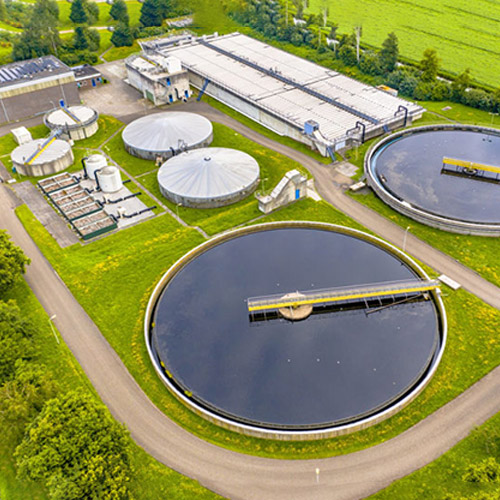
Antimicrobial resistance (AMR) in the Kashmir Valley can no longer be treated solely as a nosocomial infection-control problem confined within hospital wards . Across Srinagar and major district headquarters, high inpatient and community consumption of third-generation cephalosporins, fluoroquinolones, macrolides, and carbapenems discharges viable multidrug-resistant bacteria, mobile genetic elements (MGEs), and partially metabolized antibiotic residues into urban drains that terminate in Anchar Lake, Dal Lake, the River Jhelum, and ultimately Wular Lake .
Synthesizing peer-reviewed molecular investigations from Kashmir’s freshwater lakes , regional clinical whole-genome surveillance , and statutory wastewater records , this dossier documents established environmental dissemination of blaCTX-M, blaTEM, ampC, and qnrS determinants co-localized with Class 1 integrons (intI1) and heavy-metal resistance operons. Mean aquatic Multiple Antibiotic Resistance (MAR) indices around 0.46—more than double the 0.20 point-source threshold—confirm sustained anthropogenic selection across valley waterbodies .