
Kashmir EcoWatch
Loading environmental intelligence layers...
If this takes too long, refresh or check the data service connection.
Loading environmental intelligence layers...
If this takes too long, refresh or check the data service connection.
Protected forest and alpine habitats supporting Kashmir's mammals, birds, and mountain biodiversity. Integrates species data, seasonal movement patterns, habitat condition, and conservation monitoring for each sanctuary.
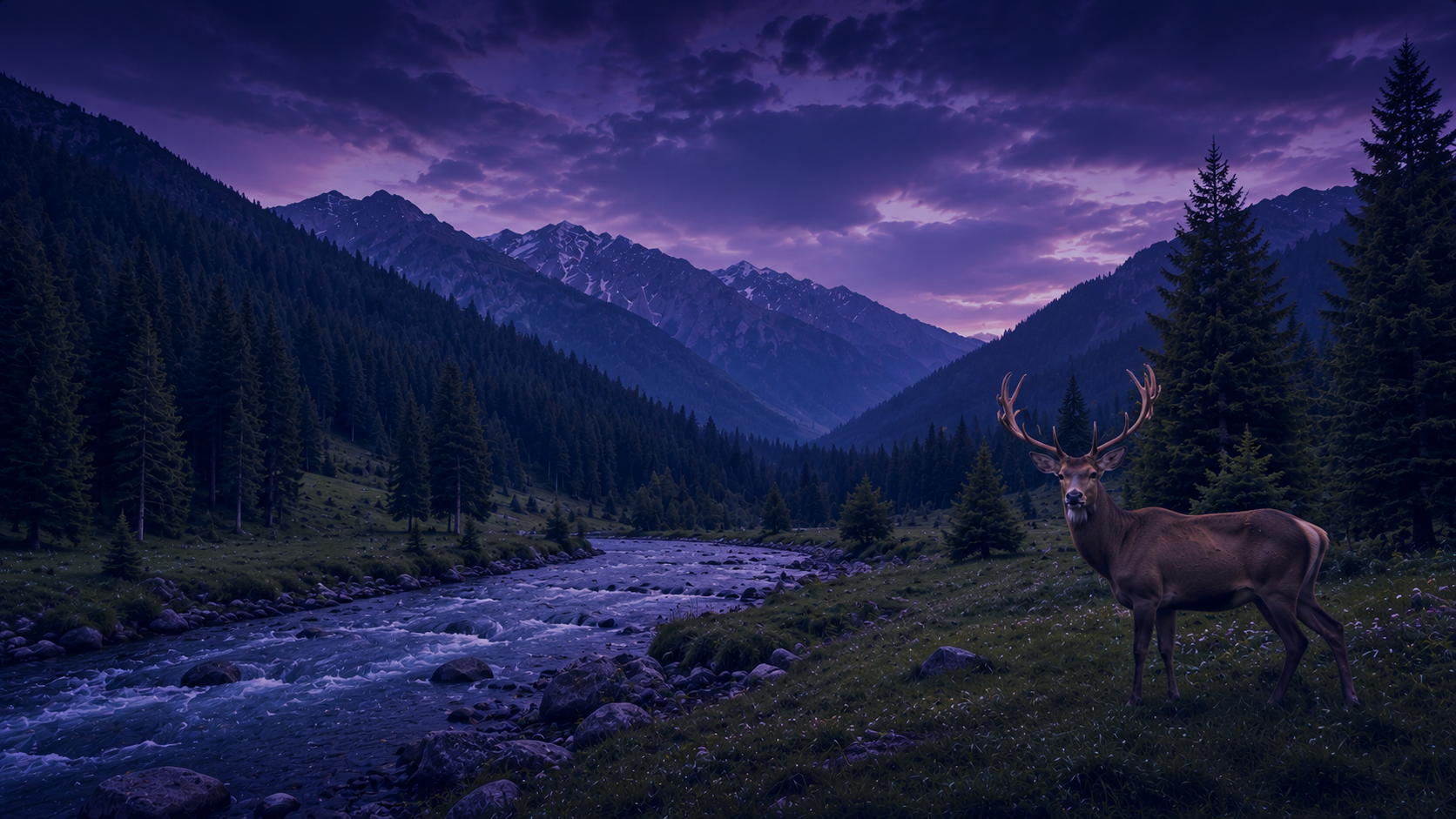
Core Conservation Landscapes: Dachigam Hangul Sanctuary, Kazinag Markhor Corridor, Hokersar Ramsar Basin, Overa-Aru Reserve, and Hemis High-Altitude Network.
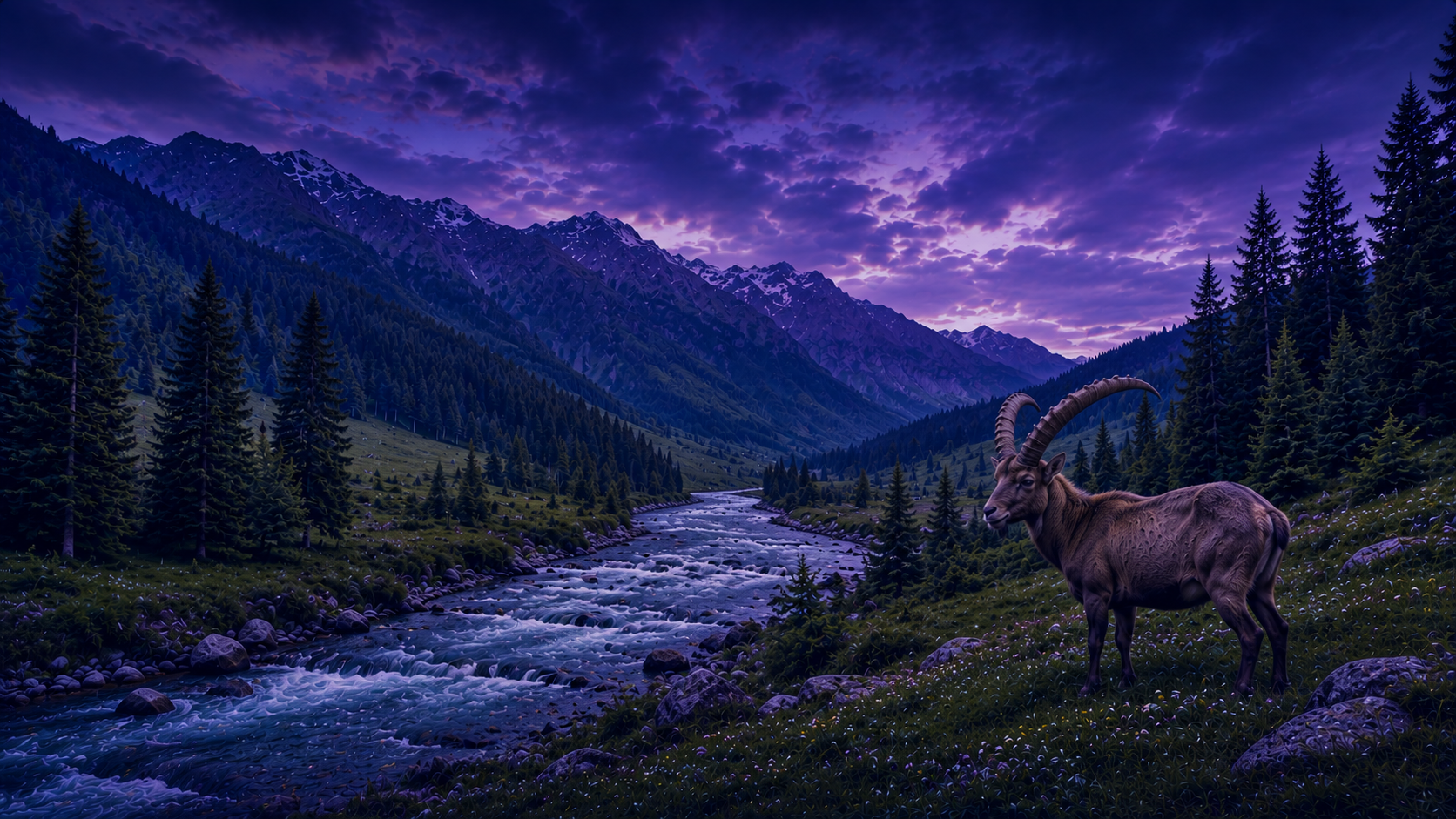
High-altitude subalpine and alpine sanctuary centered around the majestic Tata Kutti peak (4,725m) in the Pir Panjal range of Poonch district. Protects critical high-ridge habitats for the Western Caprinae, Musk Deer, and Snow Leopard.
Famed alpine valley sanctuary north of Gilgit known for its turquoise alpine lakes (Bashkiri Lakes) and lush montane conifer forests of Pinus wallichiana and Picea smithiana. Major conservation stronghold for the Flare-horned Markhor and Snow Leopard.
Rugged montane and cliff sanctuary extending southwest of Gilgit city along Kargah Nallah. Established to safeguard cliff-dwelling Astor Markhor, snow leopards, and alpine raptors.
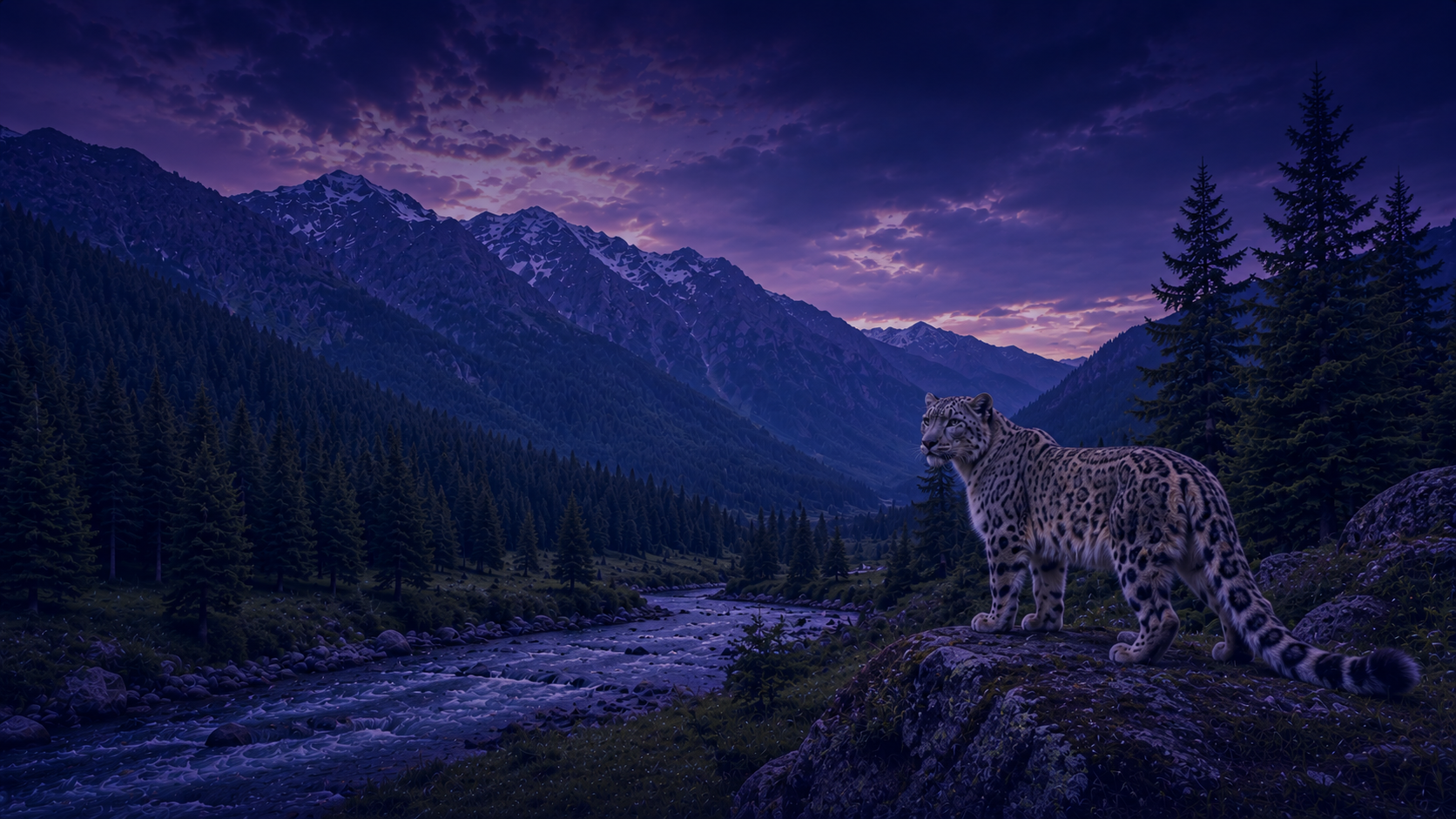
Pristine moist temperate forest reserve on the left bank of the Neelum River. Established in 1972, it is one of the earliest wildlife sanctuaries in Azad Kashmir, safeguarding breeding pairs of Western Tragopan and Kashmir Musk Deer.
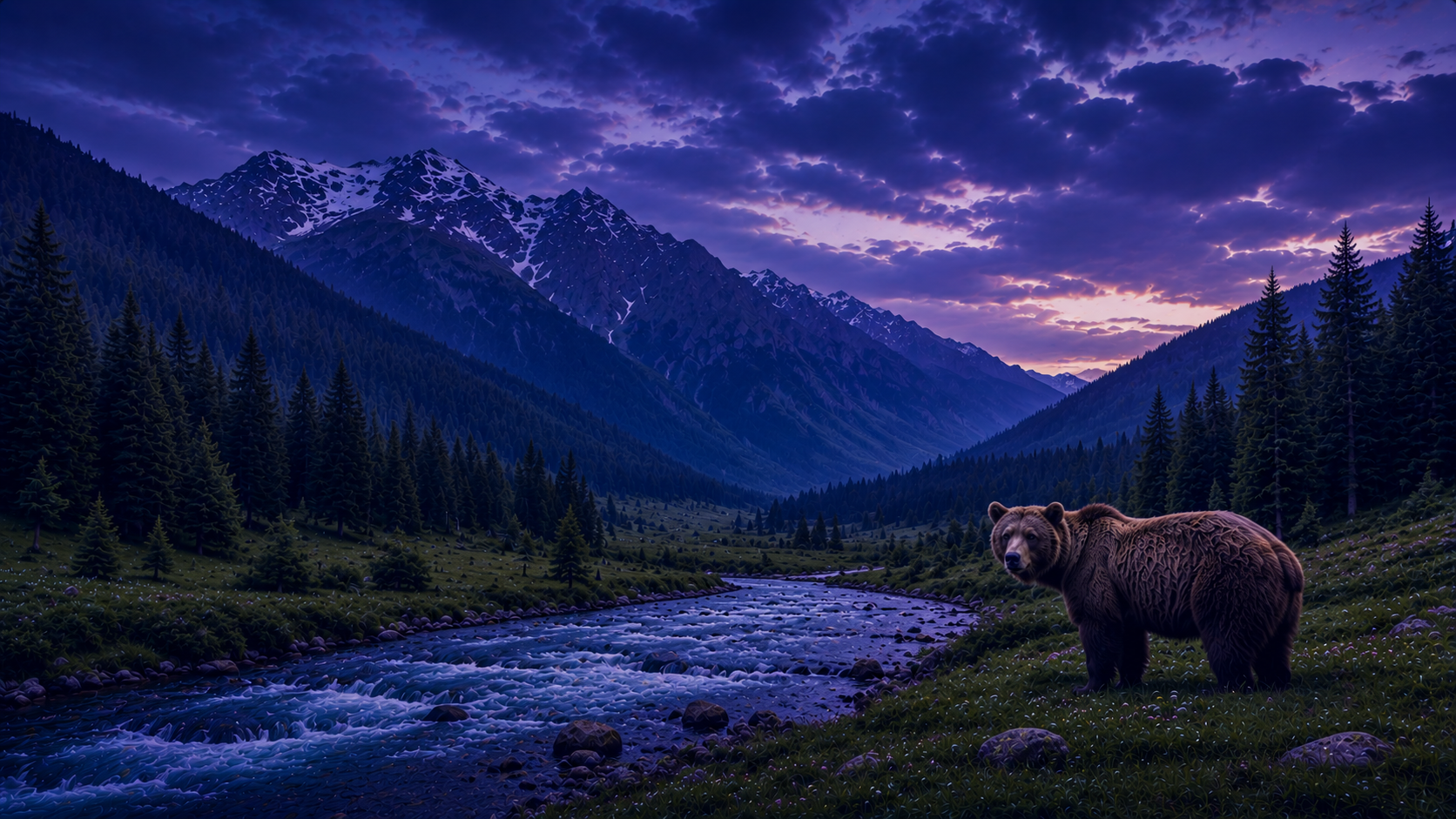
High-elevation trans-Karakoram sanctuary guarding the historic Kilik and Mintaka Passes connecting to the Afghan Wakhan corridor and Chinese Pamirs. Critical migration haven for Marco Polo Sheep and Snow Leopards.
Large alpine, temperate forest, and river-catchment sanctuary in the Lidder Valley. It is one of Kashmir’s most important Hangul-linked landscapes outside Dachigam and provides habitat connectivity through the Lidder forest system.
Compact south Kashmir forest sanctuary in the Daksum-Rajparian belt. It supports temperate forest biodiversity, carnivore movement, pheasant habitat, and human-wildlife interface research.
High-value forest and alpine sanctuary around Gulmarg, supporting western Himalayan wildlife, alpine flora, subalpine habitats, and important bird and mammal populations.
North Kashmir sanctuary associated with the Kazinag-Limber-Lachipora ecological belt. Important for forest biodiversity, Markhor-linked habitat, cliff ecology, and LoC-adjacent mountain corridors.
North Kashmir sanctuary in the Jhelum-LoC belt, important for Markhor conservation, cliff habitats, conifer forests, alpine meadows, and western Himalayan biodiversity.
Large Pir Panjal sanctuary supporting Markhor, Himalayan brown bear, black bear, musk deer, leopard, alpine pastures, conifer forests, and high-altitude wildlife corridors.
High-altitude Sonamarg-Baltal-Thajwas sanctuary supporting glacial valleys, alpine meadows, snow-fed slopes, and seasonal wildlife movement in the upper Sindh landscape.