
Kashmir EcoWatch
Loading environmental intelligence layers...
If this takes too long, refresh or check the data service connection.
Loading environmental intelligence layers...
If this takes too long, refresh or check the data service connection.
Marshes, lakes, reedbeds, floodplain wetlands, and high-altitude wetland systems across Kashmir Core, Jammu-Ladakh trans-divisional zones, and the wider transboundary Kashmir ecological belt. Integrates hydrology, bird-use patterns, Ramsar status, land-cover change, threat signals, and conservation monitoring.
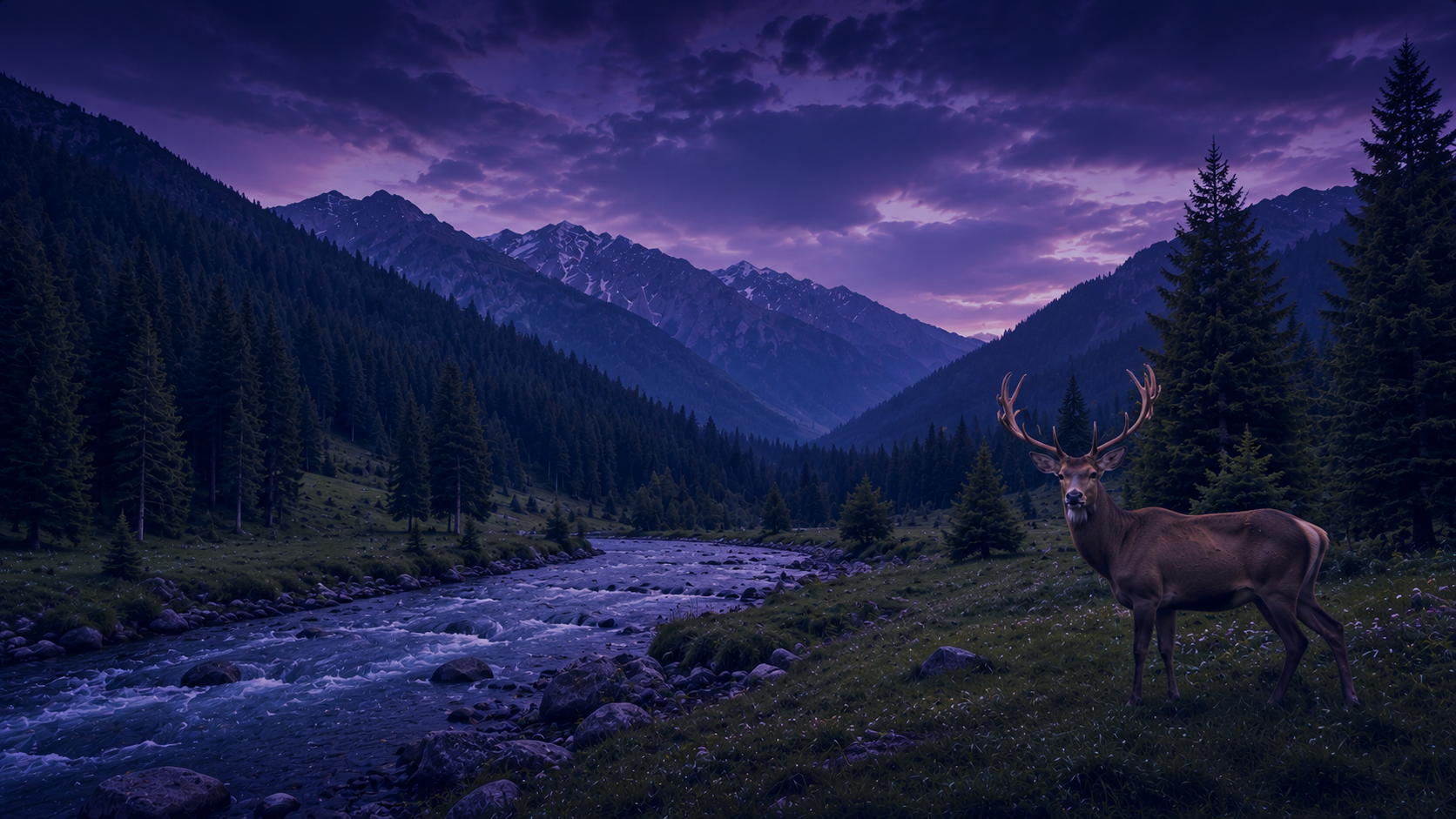
Core Conservation Landscapes: Dachigam Hangul Sanctuary, Kazinag Markhor Corridor, Hokersar Ramsar Basin, Overa-Aru Reserve, and Hemis High-Altitude Network.
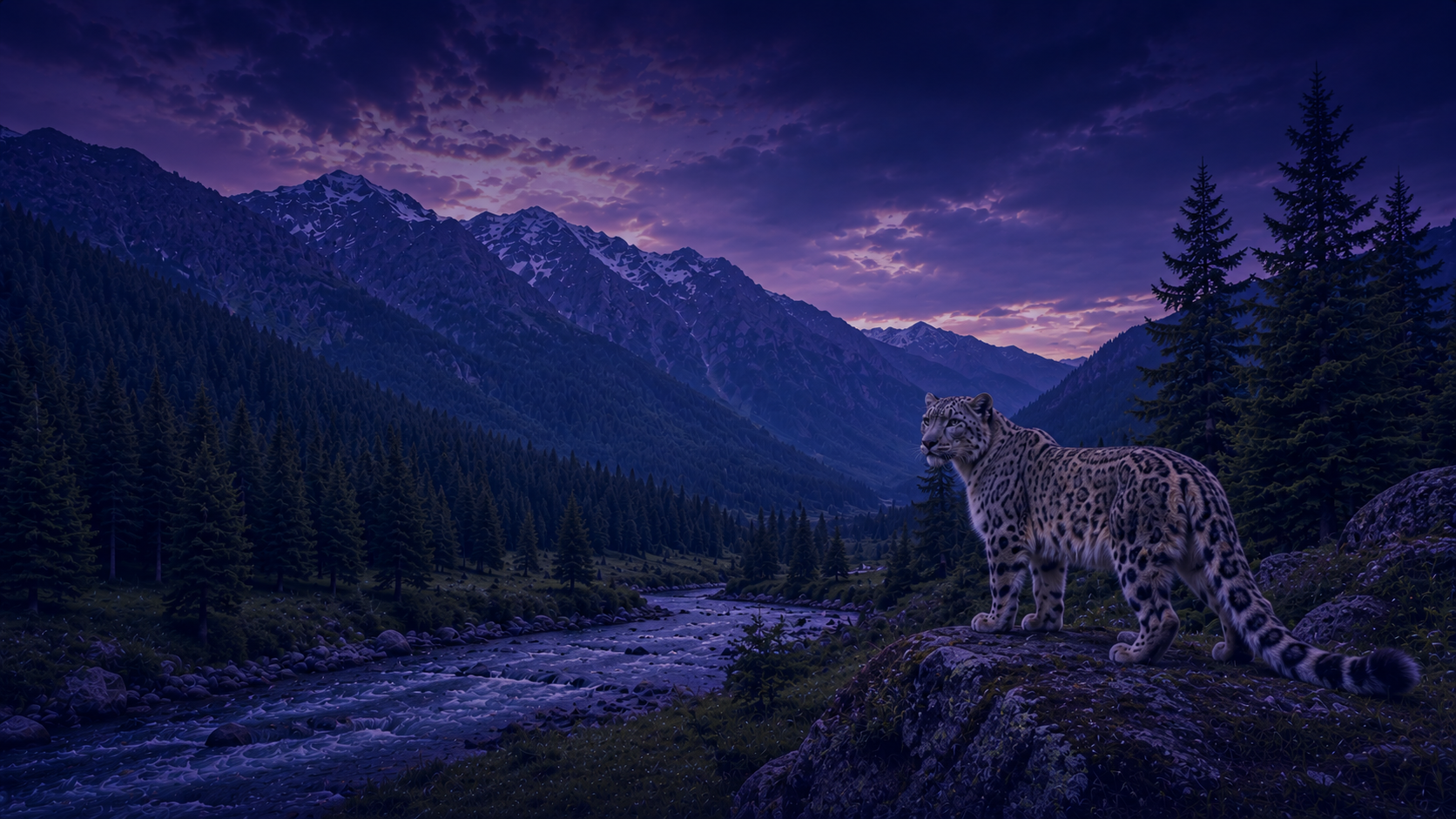
Urban-edge wetland flood absorption basin on the outskirts of Srinagar and Budgam. Crucial wintering ground for trans-Himalayan waterfowl and pivotal hydrology buffer absorbing Doodh Ganga flood spillover.
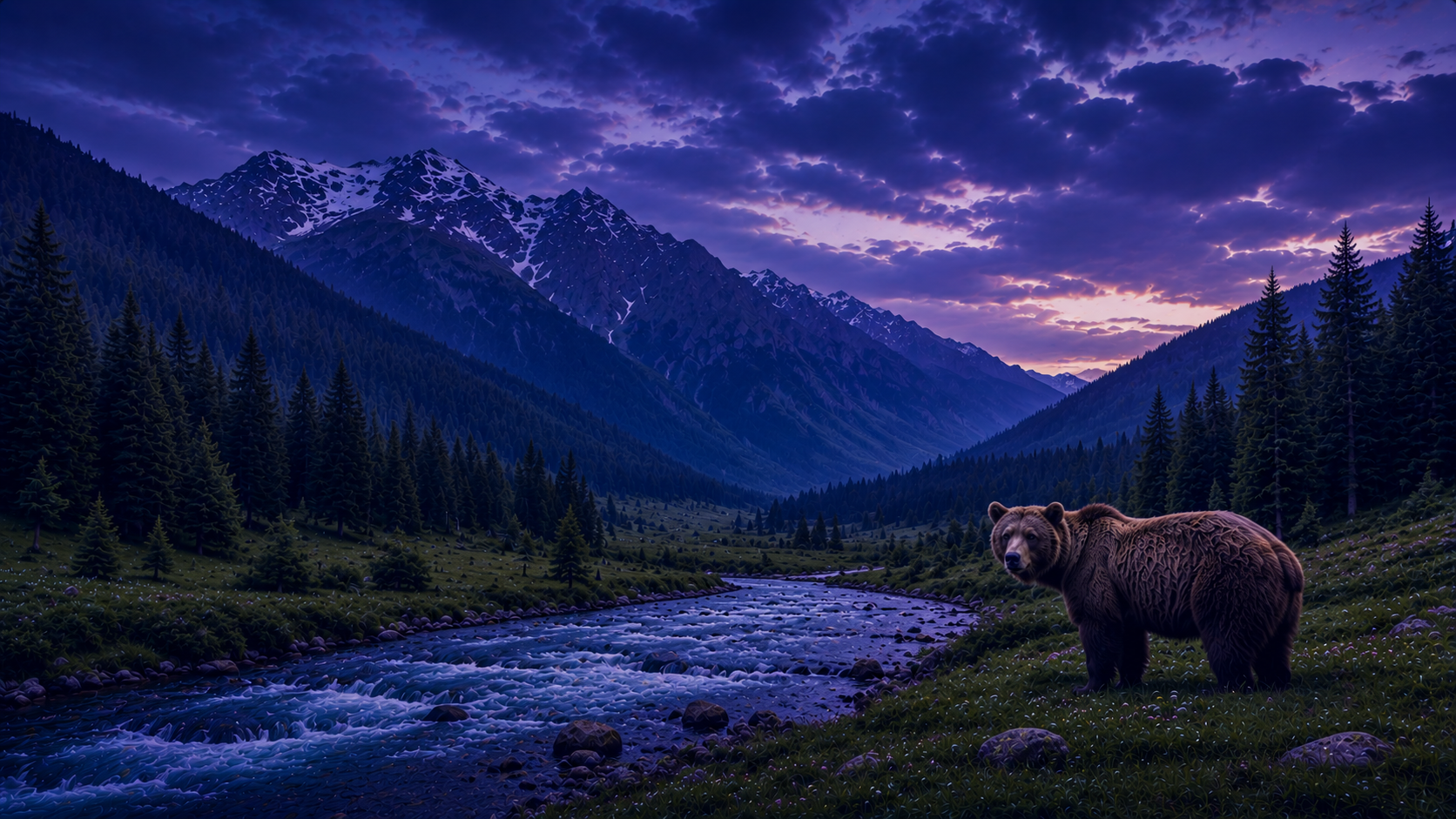
Historically connected to Dal Lake via the Nallah Amir Khan channel, Anchar is a vital natural floodplain wetland north of Srinagar supporting dense Typha beds, willow groves, and winter migratory waterfowl.
Major floodplain marsh and migratory waterbird habitat in the Jhelum basin. Hokersar is one of Kashmir’s most important wetlands for wintering birds, reedbed ecology, hydrological buffering, and wetland conservation monitoring.
Large freshwater wetland in the Jhelum basin supporting migratory waterbirds, reedbeds, shallow marsh habitat, and seasonal floodplain ecology. It is a major site for wetland monitoring and bird-use assessment.
North Kashmir wetland and bird-use landscape associated with Jhelum floodplain systems. Important for waterbirds, marsh habitat, reedbeds, and local hydrological regulation.
Floodplain wetland in Kashmir’s wetland chain, historically important for migratory birds, marsh vegetation, reedbed systems, and seasonal water storage.
South Kashmir wetland reserve supporting marsh habitat, waterbirds, floodplain ecology, reedbeds, and local hydrological functions within the Jhelum basin.
Jhelum floodplain wetland associated with reedbeds, marsh vegetation, wetland birds, and agricultural-wetland interface habitats.
Small but ecologically important wetland reserve in south Kashmir’s floodplain chain, supporting local wetland biodiversity, marsh habitat, and seasonal bird usage.
Wetland reserve in the north Kashmir wetland chain, supporting marsh vegetation, waterbird habitat, floodplain storage, and ecological connectivity with larger lake-wetland systems.
Small floodplain wetland reserve forming part of Kashmir’s wetland network, supporting bird habitat, marsh vegetation, seasonal water retention, and local biodiversity values.
One of Kashmir’s largest freshwater lake-wetland systems, critical for Jhelum hydrology, fisheries, flood regulation, waterbirds, reedbeds, and regional wetland conservation.